
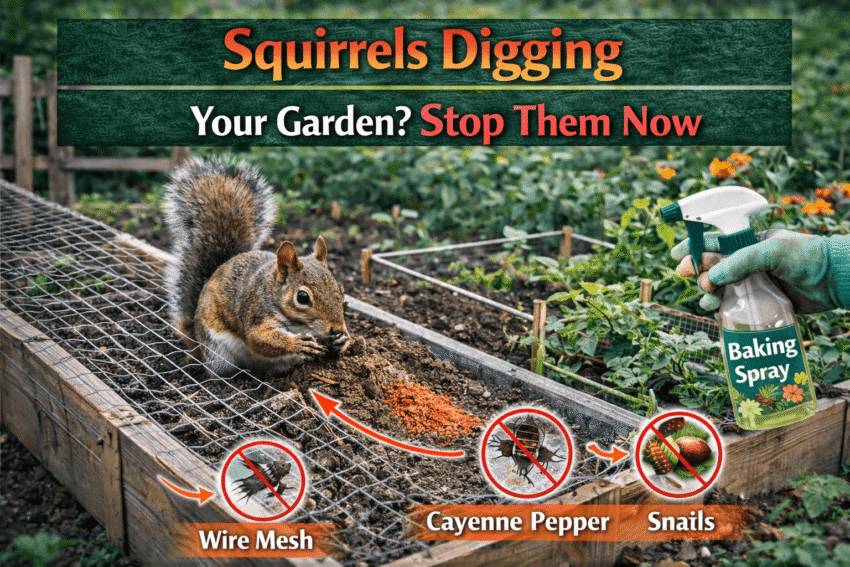
There’s nothing more frustrating than watching squirrels destroy your carefully planted bulbs and seeds. You’ve invested time and money into your garden, only to find it ransacked by persistent rodents. These clever creatures can damage roots, uproot plants, and scatter soil across your yard. The good news is you can protect your garden effectively using proven deterrent methods that won’t harm wildlife.
Identifying the Damage: Key Factors and Signs
Your garden shows telltale signs when squirrels start digging. Look for these indicators:
- Small, shallow holes scattered across flower beds and lawn areas
- Displaced mulch and disturbed soil around plants
- Partially buried or unearthed nuts near trees and shrubs
- Damaged bulbs with bite marks or missing sections
Knowing these specific patterns helps you confirm squirrel activity and take appropriate action.
Distinguishing Squirrel Holes from Other Pests
Squirrel excavations measure 1-2 inches in diameter and appear randomly distributed throughout your yard. Mole tunnels create raised ridges, while vole damage follows distinct runway patterns through grass. Gopher mounds form fan-shaped soil piles, contrasting with the scattered, shallow depressions squirrels leave behind. Knowing these differences prevents wasted effort on wrong pest control methods.
Understanding Seasonal Foraging Behaviors
Fall and spring bring peak squirrel digging activity as they cache food for winter or retrieve stored nuts. Your garden becomes their personal pantry during these seasons. Knowing these behavioral patterns helps you anticipate and prevent the most damaging periods.
Squirrels exhibit two distinct foraging cycles that directly impact your garden throughout the year. During autumn months, they frantically bury acorns, walnuts, and other nuts in preparation for winter scarcity. Your carefully maintained flower beds become ideal storage locations because the soft, cultivated soil allows easy digging. Spring triggers the retrieval phase when squirrels desperately search for cached food, often forgetting exact locations and creating multiple exploratory holes. This seasonal behavior intensifies in areas with mature oak or walnut trees, as squirrels naturally gravitate toward reliable food sources and establish territories nearby.
Physical Barriers: Tips for Protecting Bulbs and Beds
Squirrels will abandon your garden beds when you install physical barriers that block their access. You can protect newly planted bulbs by covering them with wire mesh or hardware cloth buried just below the soil surface. Chicken wire laid flat over planting areas prevents digging while still allowing plants to grow through. After establishing these defenses, your flowers and vegetables will thrive undisturbed.
- Hardware cloth with ½-inch spacing blocks squirrel paws
- Chicken wire creates an effective underground barrier
- Tree baffles prevent climbing and access from above
- Garden netting protects ripening fruits and vegetables
Installing Hardware Cloth and Wire Mesh
Bury hardware cloth at least 6 inches deep around your bulb plantings to create an impenetrable barrier. The ½-inch mesh spacing is small enough to prevent squirrel paws from reaching through while allowing water and nutrients to pass freely. Secure the edges with landscape staples to prevent lifting. After installation, cover with soil and mulch for a natural appearance.
Using Netting and Tree Baffles
Drape bird netting over your garden beds and secure it with stakes to stop squirrels from reaching your plants. Tree baffles mounted on trunks and poles prevent climbing access to bird feeders and fruit trees. Position baffles at least 4 feet above ground for maximum effectiveness. After proper placement, squirrels cannot bypass these obstacles.
Your fruit trees and vegetable gardens need protection from squirrels that climb down from above. Metal or plastic baffles work by creating a slippery, dome-shaped surface that squirrels cannot grip or climb past. Install them on any vertical surface that provides access to your garden, including fence posts, shepherd’s hooks, and tree trunks. The baffle diameter should extend at least 18 inches from the center pole to prevent squirrels from reaching around. Combine overhead netting with ground-level barriers for complete protection of strawberry patches, tomato plants, and other vulnerable crops. Secure all netting edges tightly to prevent squirrels from squeezing underneath or finding gaps.
Strategic Planting: How to Choose Squirrel-Resistant Varieties
Your plant selection can make or break your defense against squirrel invasions. Squirrels avoid plants with strong scents, prickly textures, and unpleasant flavors, so choosing varieties with these characteristics protects your garden naturally. Daffodils, alliums, and fritillarias remain untouched because these rodents find them repulsive, giving you beautiful blooms without the headache.
Selecting Flowers and Bulbs with Bitter Tastes
Bitter-tasting plants serve as your first line of defense against persistent diggers. Squirrels despise the alkaloids found in daffodils, snowdrops, and hyacinths, leaving these bulbs completely alone. Geraniums, bleeding hearts, and hellebores also contain compounds that taste terrible to squirrels, ensuring your flower beds stay intact throughout the season.
Creating Decoy Feeding Areas
Designated feeding zones redirect squirrel attention away from your prized plants. Place sunflower seeds and corn in a far corner of your yard to satisfy their foraging instincts elsewhere. This strategy reduces damage to your main garden beds while keeping these animals occupied.
Decoy areas work best when positioned at least 20 feet from your vegetable garden or flower beds. You should maintain these feeding stations consistently, refilling them every few days to keep squirrels returning to the same spot. Combine the decoy area with squirrel-resistant plantings near your valuable crops for maximum protection. Platform feeders mounted on poles work better than ground feeding, as they concentrate squirrel activity in one controllable location. Your success depends on making the decoy area more attractive than your garden, so use their favorite foods like peanuts, dried corn cobs, and black oil sunflower seeds. This approach doesn’t eliminate squirrels but channels their destructive energy away from plants you care about most.
Garden Maintenance: Factors That Attract Rodents
Your garden’s appeal to squirrels and other rodents often stems from easily accessible food sources and shelter opportunities. Common attractants include:
- Fallen fruit from trees and bushes
- Birdseed spillage beneath feeders
- Unsecured garbage and compost bins
- Dense vegetation providing hiding spots
This combination creates an irresistible environment for persistent garden invaders.
Managing Fallen Fruit and Birdseed Spillage
Rotting fruit beneath your trees serves as a primary food source that draws squirrels into your garden daily. Collect dropped fruit promptly and position seed-catching trays underneath bird feeders to minimize spillage. Clean feeding areas weekly to remove accumulated seeds and hulls. This simple maintenance eliminates two major attractants that keep rodents returning.
Securing Outdoor Trash and Compost Bins
Poorly secured bins offer squirrels an all-you-can-eat buffet of kitchen scraps and organic waste. Install locking lids or heavy-duty bungee cords on all outdoor containers to prevent access. Store bins on concrete or gravel surfaces rather than soil to discourage burrowing underneath. This barrier method protects your waste from determined foragers.
Your compost pile requires special attention since its warmth and food content make it particularly attractive during colder months. Avoid composting meat, dairy, or oily foods that emit strong odors squirrels can detect from considerable distances. Turn your compost regularly to bury fresh additions and consider using a rodent-proof tumbler system instead of open piles. Wire mesh with openings smaller than half an inch can be installed around traditional bins to create a physical barrier. Keeping the area around bins clear of debris and vegetation removes potential hiding spots that make squirrels feel safe while scavenging.
Summing up
As a reminder, you can protect your garden from squirrel damage through multiple effective strategies. Physical barriers like chicken wire and netting provide immediate protection for your plants and bulbs. Repellents containing capsaicin or predator urine create an unwelcome environment for these persistent diggers. You should combine these methods with habitat modification, removing food sources and access points to achieve long-term control of squirrel activity in your garden.
FAQ
Q: Why do squirrels keep digging holes in my garden beds and lawn?
A: Squirrels dig in gardens primarily to bury and retrieve food caches. They hide nuts, seeds, and other food items throughout your yard to save for later consumption, especially during fall when they prepare for winter. Your garden’s soft, freshly turned soil makes an ideal spot for this behavior since it’s easy to dig. Squirrels also excavate buried bulbs like tulips and crocuses, which they find delicious. Female squirrels may dig shallow depressions to create nesting material or search for insects and grubs in the soil. The problem intensifies if you have bird feeders nearby, as fallen seeds attract squirrels and encourage them to treat your entire yard as their personal pantry.
Q: What are the most effective methods to keep squirrels out of my garden without harming them?
A: Physical barriers work best for protecting your garden from squirrel damage. Install chicken wire or hardware cloth over newly planted bulbs, burying it about 6 inches deep and securing the edges. Cover seedbeds with row covers or netting until plants establish themselves. Sprinkling cayenne pepper, coffee grounds, or predator urine around plants creates an unpleasant sensory experience that deters squirrels without causing injury. Motion-activated sprinklers startle squirrels with sudden water bursts, teaching them to avoid the area. Plant squirrel-resistant varieties like daffodils, alliums, and fritillaries instead of their favorites. You can also create a designated feeding station away from your garden, stocked with corn and inexpensive nuts to redirect their attention.
Q: How can I repair the damage squirrels have already caused to my lawn and garden?
A: Fill small holes with a mixture of topsoil and compost, pressing down firmly to eliminate air pockets. Sprinkle grass seed over affected lawn areas and water gently but consistently until new grass establishes. For larger excavated areas, remove any loose soil, add fresh topsoil to bring the level even with surrounding ground, and tamp it down before reseeding. Replace any bulbs that squirrels have dug up or eaten, and consider planting them deeper than usual (8-10 inches) with a layer of sharp gravel above them to discourage future digging. Damaged plant roots should be covered with soil immediately and watered well to prevent drying out. Apply a thin layer of mulch over disturbed garden beds to discourage further digging and help retain moisture for recovering plants.