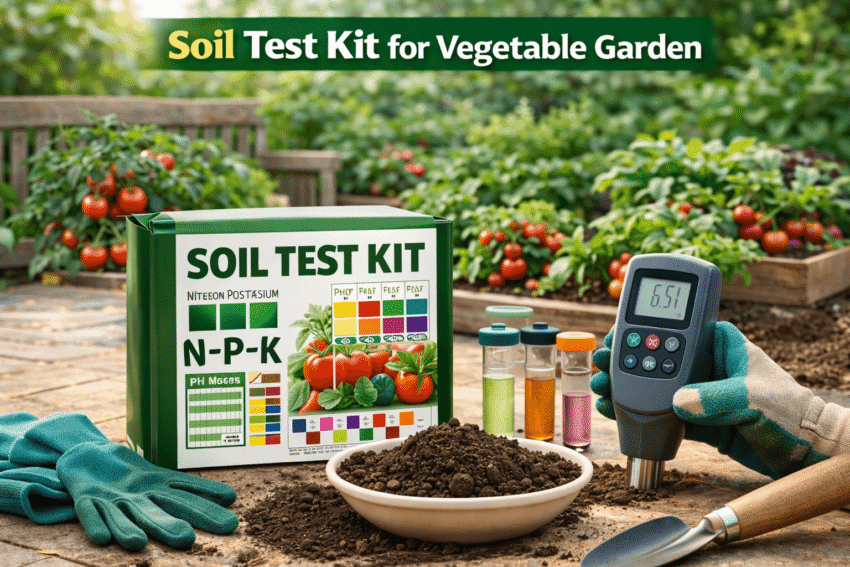
Most gardeners guess soil needs, but you must test to prevent pH extremes and nutrient imbalances that harm plants; use reliable kits to get clear, actionable results and improve yields. Key Takeaways Accuracy and scope differ: mail-in lab kits deliver the most comprehensive pH, NPK, organic matter, and micronutrient analyses; DIY strips and meters offer…
Author: dochinh1311
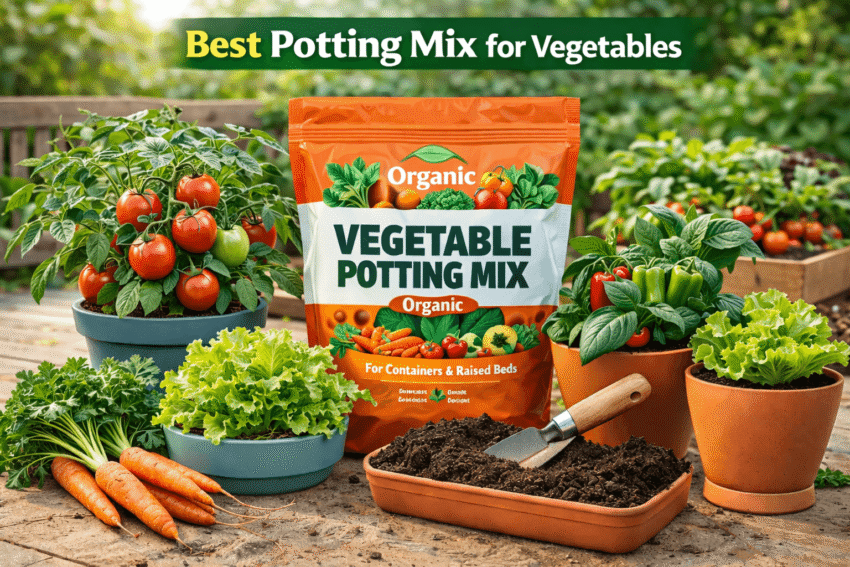
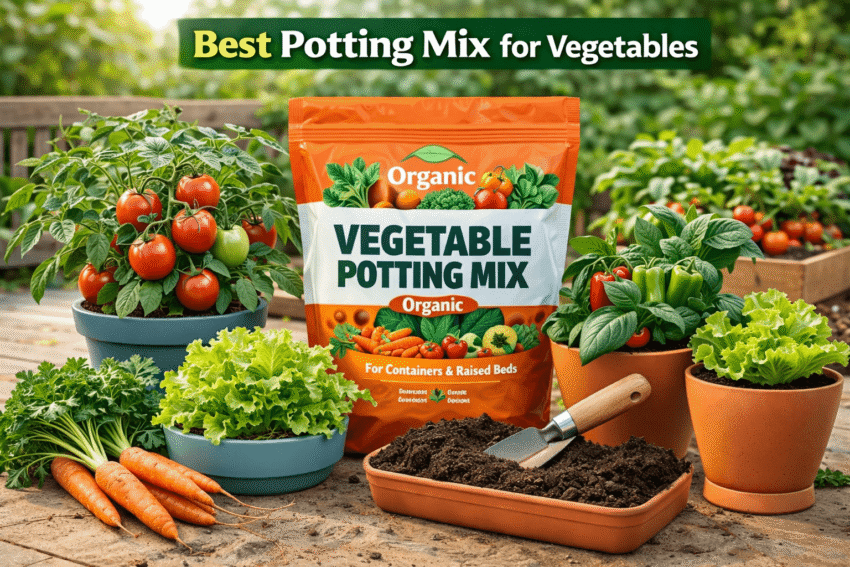
Stop Using Garden Soil in Pots
Many gardeners make the mistake of using garden soil in containers, thinking it will work just as well as it does in the ground. Unfortunately, this simple choice can lead to poor drainage, compacted roots, fungal problems, and weak plant growth. If your potted vegetables or flowers look stunted, yellow, or constantly waterlogged, your soil…
Perfect Raised Bed Soil Formul
Raised bed gardening success depends entirely on the right soil mixture. You need a balanced blend that provides proper drainage, nutrients, and aeration for your plants to thrive. The ideal formula combines equal parts compost, peat moss or coconut coir, and vermiculite or perlite. Avoid using garden soil alone, as it compacts easily and restricts…
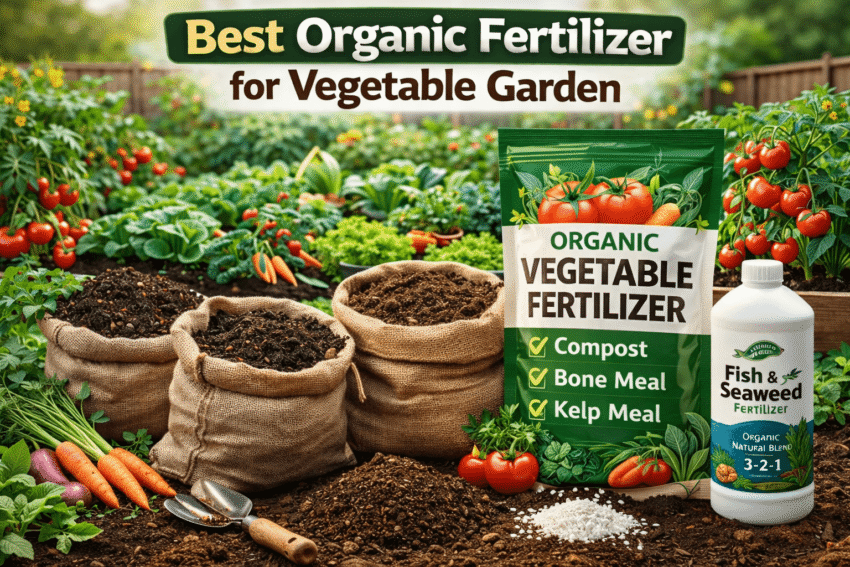
Top Organic Fertilizers That Actually Work
Organic fertilizers transform your garden by feeding soil microbes that naturally nourish plants, unlike synthetic options that can burn roots and damage ecosystems. You’ll discover proven options like compost, worm castings, and bone meal that boost yields without harmful chemicals. These natural amendments improve soil structure while delivering sustained nutrition your plants need to thrive…
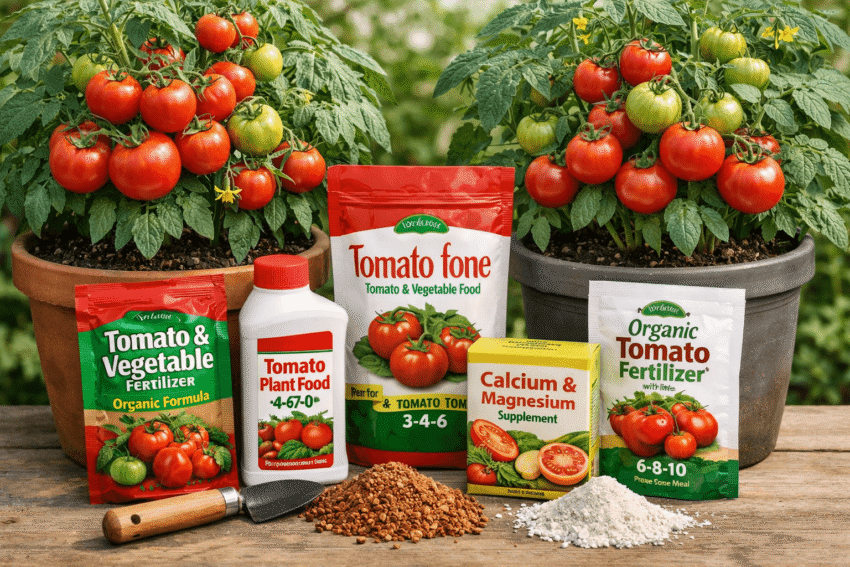
Best Fertilizer for Tomatoes in Containers
You should choose a fertilizer with a balanced N-P-K and slow-release nutrients, avoid overfertilizing that burns roots and reduces fruit, and feed consistently to produce bigger, sweeter tomatoes in containers. Key Takeaways Balanced slow-release granular fertilizer (example: 10-10-10) applied at planting provides steady baseline nutrients for container tomatoes. Use a bloom/fruit formula higher in phosphorus…
12 Ways to Build the Best Soil for Tomato Plants Naturally
If you’ve ever planted tomatoes and ended up with sad, flavorless little fruits that looked like they needed therapy, you’re not alone. Tomatoes are dramatic. They want good sunlight, regular watering, and — most importantly — the best soil you can give them. The good news? You don’t need fancy chemicals or expensive products. You…
7 Critical Mistakes When Caring for Tomato Plants (And How to Fix Them)
You know that sinking feeling when you walk out to check your tomato plants and they look… wrong? Maybe the leaves are yellowing, the fruit is cracking, or worse—they’re just not producing anything at all. I’ve been there, staring at my sad, struggling plants, wondering where I went wrong. Here’s the truth: most tomato plant…
How to Grow Tomato Plants in Containers: Your Complete Guide to Patio Perfection
Look, I’ll be honest with you—nothing beats biting into a sun-warmed, vine-ripened tomato that you grew yourself. And guess what? You don’t need a sprawling backyard or fancy raised beds to make it happen. Container tomato gardening is where it’s at, especially if you’re working with a balcony, patio, or just a sunny corner of…
How Do I Get Rid of Aphids on Tomatoes? Your Battle Plan Against These Tiny Jerk
You walk out to check on your beautiful tomato plants and—wait, what’s that? Clusters of tiny green (or black, or yellow) bugs covering your stems and leaves? Welcome to the aphid invasion, my friend. These microscopic vampires showed up uninvited to your garden party, and now you need them gone. Let me share everything I’ve…
Does Epsom Salt Help Tomatoes Grow? The Truth Behind the Garden Hack
You’ve probably heard someone swear by Epsom salt for growing monster tomatoes. Maybe your neighbor tosses it around like magical fairy dust, or you’ve seen countless YouTube videos promising miracle results. But does this humble bathroom staple actually work, or is it just another garden myth? Let me break down the science, the hype, and…