
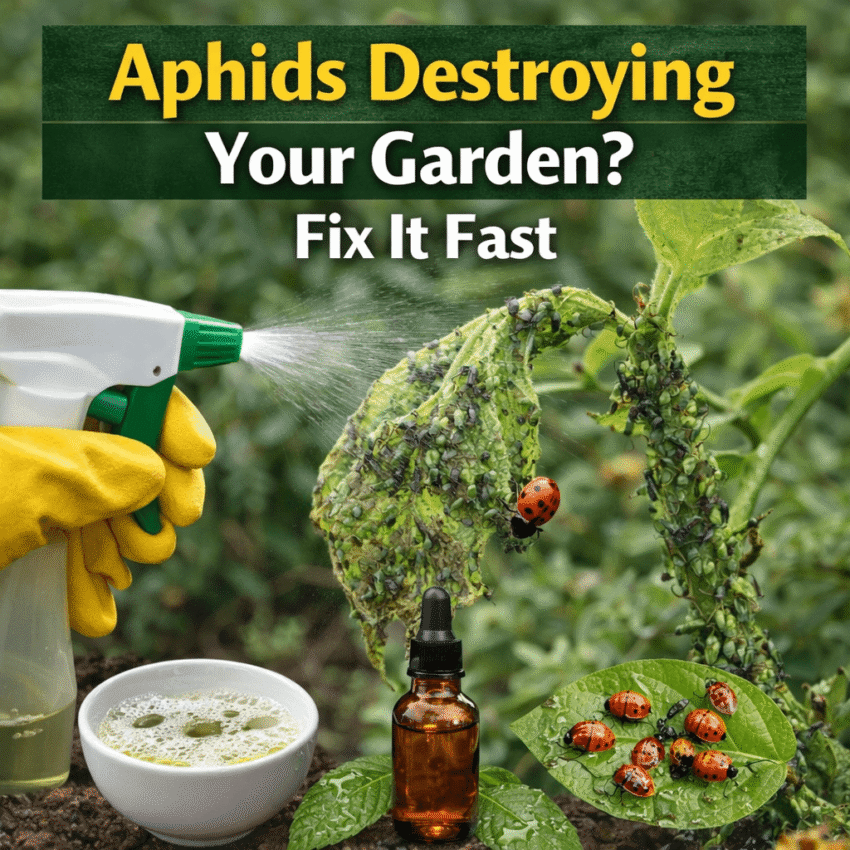
Many gardeners face the devastating impact of aphid infestations that can destroy your plants within days. You need to act quickly when you spot these tiny sap-sucking pests clustering on stems and leaves. Your garden can recover with the right treatment methods, from natural predators to targeted sprays. Fast intervention prevents permanent damage and saves your harvest.
Identifying the Signs of Aphid Damage
Your plants will show clear warning signs when aphids attack. Curled, yellowing, or wilted leaves indicate an active infestation that demands immediate attention. Check the undersides of leaves and new growth where these pests cluster most heavily. Stunted plant development and distorted flowers or buds signal that aphids are already draining nutrients from your garden.
Recognizing Physical Plant Distortions
Twisted stems and malformed new growth are telltale signs of aphid feeding damage. Watch for leaves that curl inward or develop unusual bumps and blistering on their surfaces. Young shoots may appear stunted or deformed as aphids inject toxins while feeding. These physical changes often appear before you spot the insects themselves.
Spotting Honeydew and Sooty Mold
Sticky residue coating your plants’ leaves is honeydew, a sugary substance aphids excrete while feeding. This substance attracts ants and creates ideal conditions for black sooty mold growth. Look for shiny, sticky spots on foliage and surfaces beneath infested plants.
Honeydew accumulation transforms your garden into an ecosystem problem beyond just aphids. The sticky coating blocks sunlight from reaching leaf surfaces, reducing photosynthesis and weakening plant health. Ants farming aphids for this sweet secretion will actually protect the pests from natural predators, making your infestation worse. Sooty mold fungi colonize the honeydew quickly, creating unsightly black patches that further reduce plant vigor. You can confirm an aphid problem by running your finger across affected leaves-if it comes away sticky or grimy, you’re dealing with active honeydew production.
How to Eradicate Aphids Using Physical Methods
Physical removal offers immediate results without chemicals, making it your safest first-line defense against aphid infestations. You can eliminate colonies through direct intervention methods that protect beneficial insects while targeting only the pests. These hands-on approaches work best for small to moderate infestations and give you complete control over the treatment process.
High-Pressure Water Blast Techniques
Blasting aphids with a strong jet of water dislodges them permanently from your plants. Direct the spray at leaf undersides where colonies cluster, using your garden hose’s highest pressure setting. Aphids cannot climb back once removed, and most perish on the ground within hours.
Manual Removal and Pruning Procedures
Pinching off infested leaves and stems eliminates entire colonies instantly. You should wear gloves and inspect plants daily, removing heavily damaged growth immediately. Dispose of pruned material in sealed bags to prevent aphids from spreading to nearby plants.
Your hands become precision tools when you manually crush aphids between your fingers or wipe them away with a damp cloth. Check the newest growth tips and flower buds first, as aphids concentrate in these tender areas. Prune back severely infested branches by at least two inches below visible damage to ensure you’ve removed all hidden eggs and nymphs. Drop removed plant parts into a bucket of soapy water rather than onto the soil, because aphids can survive falls and reinfest your garden. Inspect neighboring plants within a three-foot radius after each removal session, since aphids migrate quickly when disturbed.
How to Apply Natural and Organic Remedies
Natural solutions work immediately upon contact with aphids while protecting beneficial insects in your garden. You need to apply these treatments during early morning or late evening when temperatures are cooler and pollinators are less active. Spray directly onto affected plant areas, covering both the tops and undersides of leaves where aphids typically hide. Repeat applications every 5-7 days until the infestation clears completely.
Mixing Effective Neem Oil Solutions
Combine two tablespoons of pure neem oil with one gallon of water and add a few drops of mild liquid soap to help the mixture emulsify. Shake the solution thoroughly before each use and apply it with a spray bottle to all infested plants. Neem oil disrupts aphid reproduction cycles and feeding patterns without harming your vegetables or flowers.
Creating Potent Homemade Insecticidal Soaps
Mix one tablespoon of pure castile soap with one quart of water to create an effective aphid killer. This solution dissolves the protective outer coating of soft-bodied insects, causing dehydration. Test on a small leaf section first to ensure your plants tolerate the treatment well.
Your homemade soap spray needs proper concentration to work effectively-too much soap can damage plant tissue while too little won’t eliminate the pests. Always use pure liquid soap without added fragrances, degreasers, or moisturizers that could harm plant leaves. Spray the solution generously on aphid colonies, ensuring complete coverage of stems and leaf undersides. Reapply after rain or heavy watering since the soap rinses away easily. This method works best on small to medium infestations and provides visible results within 24-48 hours of application.
Tips for Integrating Beneficial Predators
Introducing natural predators into your garden creates a sustainable defense against aphid infestations. Your success depends on establishing the right conditions for these allies to thrive and multiply. Key strategies include:
- Planting diverse flowering species to provide nectar and pollen
- Avoiding broad-spectrum pesticides that kill beneficial insects
- Creating shelter with native plants and ground cover
- Maintaining consistent moisture levels in garden beds
Though patience is required, beneficial predators will establish permanent colonies that protect your plants year after year.
Attracting Ladybugs and Lacewings
Ladybugs and lacewings are aphid-eating powerhouses that consume hundreds of pests daily. Plant yarrow, dill, fennel, and sweet alyssum to draw these predators naturally to your garden. Shallow water sources and chemical-free zones encourage them to stay and reproduce. Thou shalt see populations increase within weeks of implementation.
Managing Ants to Protect Natural Enemies
Ants actively defend aphids from predators because they harvest the honeydew aphids produce. Breaking this symbiotic relationship requires barrier methods like sticky tape around plant stems or diatomaceous earth rings. Controlling ant populations allows beneficial insects to access aphid colonies freely. Thou must address ant problems before introducing predators.
Your garden’s ant management strategy directly impacts predator effectiveness. Ants will physically attack ladybugs, lacewings, and parasitic wasps attempting to reach aphid colonies they’re farming. Bait stations placed away from garden beds redirect ant traffic while tanglefoot barriers on tree trunks prevent them from climbing to infested branches. Natural deterrents like cinnamon or citrus oils work well around vegetable beds without harming beneficial insects. Disrupting ant trails with regular water sprays forces them to abandon their aphid-tending routes. Your predator population will establish more quickly once ant interference stops, allowing natural biological control to function as intended.
Preventive Factors for a Resilient Garden
Building a garden that naturally resists aphid infestations requires strategic planning and smart plant choices. You can create an environment where these pests struggle to establish colonies by focusing on:
- Choosing disease-resistant plant varieties
- Practicing companion planting techniques
- Maintaining proper soil nutrition
- Encouraging beneficial insect populations
Knowing these preventive measures helps you avoid costly treatments and protects your garden’s long-term health.
Selecting Resistant Plant Varieties
Certain plants possess natural defenses against aphids through thicker leaves, waxy coatings, or chemical compounds that repel these pests. Varieties like nasturtiums, marigolds, and specific lettuce cultivars show exceptional resistance to aphid attacks. Your local nursery can recommend region-specific options that thrive while naturally deterring infestations. Knowing which varieties work best in your climate saves you countless hours of pest management.
Implementing Strategic Companion Planting
Plants like garlic, chives, and catnip naturally repel aphids when positioned near vulnerable crops. You can create protective barriers by interspersing these aromatic herbs throughout your garden beds. Flowers such as sweet alyssum and yarrow attract beneficial predators like ladybugs and lacewings. Knowing which combinations work together transforms your garden into a self-defending ecosystem.
Companion planting works because aphids rely heavily on scent to locate their preferred host plants. Strong-smelling herbs like basil, mint, and oregano mask the chemical signals that vegetables emit, confusing aphids and preventing them from settling. Plants that produce sticky or hairy foliage also trap small aphids before they reach your prized tomatoes or roses. Beneficial insects need nectar and pollen sources to survive, so including flowers like cosmos, fennel, and dill provides them with food while they hunt aphids. This method creates a balanced garden ecosystem where natural predators keep pest populations under control without chemical interventions. Your garden becomes healthier and more productive when you allow nature’s own pest management system to function properly.
To wrap up
With this in mind, you can protect your garden from aphid infestations by combining natural predators, organic sprays, and physical barriers. Act quickly when you spot these pests, as their populations multiply rapidly. Your consistent monitoring and integrated pest management approach will keep your plants healthy and thriving. Stay vigilant throughout the growing season to prevent future outbreaks and maintain a pest-free garden.
FAQ
Q: How can I identify if aphids are actually the pests damaging my garden plants?
A: Aphids appear as tiny, soft-bodied insects about 1-3mm long, usually clustered on the undersides of leaves, new growth, and stems. You’ll notice them in colors ranging from green and yellow to black, brown, or pink depending on the species. Your plants will show curled or yellowed leaves, sticky honeydew residue on foliage, and stunted growth. Black sooty mold often develops on the honeydew, creating dark patches on leaves and stems. Check for white shed skins near colonies, which aphids leave behind as they mature. Ants frequently farm aphids for their honeydew, so seeing ants marching up and down plant stems is another strong indicator of an aphid infestation.
Q: What are the fastest natural methods to eliminate aphids without using chemical pesticides?
A: Blasting aphids off plants with a strong stream of water from your garden hose removes most colonies immediately and works best in the morning. Mix 2-3 tablespoons of liquid dish soap with one gallon of water in a spray bottle and apply directly to affected areas, which suffocates aphids on contact. Neem oil spray kills aphids within hours while being safe for beneficial insects when applied correctly. Introducing natural predators like ladybugs, lacewings, or parasitic wasps provides long-term control since these insects actively hunt and consume aphids. A homemade garlic spray made by blending several cloves with water and straining the mixture repels aphids effectively. Diatomaceous earth sprinkled around plant bases creates a barrier that damages aphid bodies when they crawl across it.
Q: How do I prevent aphids from returning after I’ve removed them from my garden?
A: Plant companion flowers like marigolds, nasturtiums, and catnip near vulnerable plants to naturally repel aphids through their strong scents. Avoid over-fertilizing with nitrogen-rich products, as tender new growth attracts aphids in large numbers. Reflective mulch or aluminum foil placed around plant bases confuses aphids and prevents them from landing on your plants. Inspect your garden every 2-3 days to catch new aphid colonies before they establish large populations. Remove weeds promptly since many aphid species use them as alternative hosts before moving to your garden plants. Space plants properly to ensure good air circulation, which makes the environment less attractive to aphids. Yellow sticky traps placed near susceptible plants catch winged aphids before they can start new colonies.