
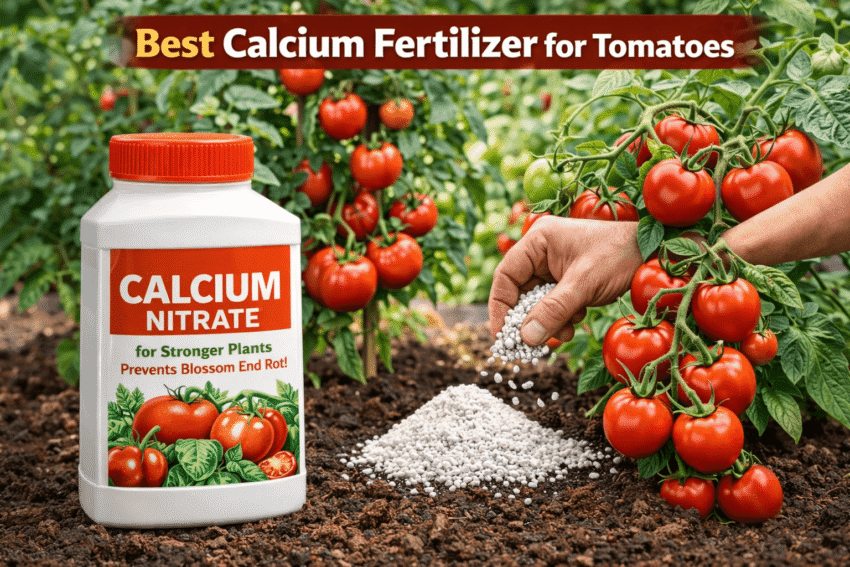
Tomatoes suffering from blossom end rot display dark, sunken spots on their bottom ends, but you can reverse this calcium deficiency quickly. Your plants need consistent watering and proper soil pH to absorb calcium effectively. Apply calcium chloride spray directly to affected plants for immediate results, while adding lime to your soil addresses long-term prevention.
Key Takeaways
- Blossom end rot stems from calcium deficiency in developing fruit, not from lack of calcium in your soil. Inconsistent watering prevents plants from absorbing and transporting calcium to the fruits properly.
- Maintain steady soil moisture by watering deeply 1-2 times per week rather than frequent shallow watering. Mulch around plants with 2-3 inches of organic material to regulate moisture levels and prevent dramatic wet-dry cycles.
- Avoid over-fertilizing with nitrogen-heavy products, which promote rapid leaf growth at the expense of fruit development and calcium uptake. Use balanced fertilizers and follow recommended application rates.
- Remove affected fruits immediately since they won’t recover, allowing the plant to redirect energy to healthy new growth. The condition isn’t a disease and won’t spread to other fruits once you correct watering practices.
- Test soil pH and adjust to 6.5-7.0 for optimal calcium availability. Apply calcium-rich amendments like gypsum or crushed eggshells at planting time, though fixing watering patterns delivers faster results than soil amendments alone.
Identifying Critical Environmental Factors
Your tomato plants face multiple environmental stressors that trigger blossom end rot beyond simple calcium deficiency. Temperature extremes, inconsistent watering schedules, and high humidity levels all disrupt calcium uptake in developing fruit. Knowing these factors helps you create optimal growing conditions and prevent this frustrating disorder.
- Temperature fluctuations above 90°F or below 55°F
- Irregular watering patterns causing soil stress
- Excessive nitrogen fertilization blocking calcium absorption
- Root damage from cultivation or pests
Recognizing Calcium Deficiency Symptoms
Dark, water-soaked spots appear on the blossom end of developing tomatoes, eventually turning brown and leathery. The affected tissue becomes sunken and may attract secondary fungal infections that worsen the damage. Young leaves might show distorted growth patterns or tip burn when calcium deficiency becomes severe. Knowing these visual cues allows immediate corrective action.
Analyzing Soil Moisture Fluctuations
Erratic watering creates the most common cause of blossom end rot in home gardens. Soil that cycles between bone-dry and waterlogged conditions prevents roots from absorbing available calcium. Your plants need consistent moisture levels to transport nutrients effectively through their vascular system. Knowing proper irrigation timing stops this preventable problem.
Check your soil moisture by inserting your finger two inches deep into the ground near plant roots. The soil should feel like a wrung-out sponge-moist but not dripping wet or dusty dry. Install a drip irrigation system or soaker hoses to maintain steady water delivery without overwhelming the root zone. Mulching around plants with two to three inches of organic material helps regulate soil temperature and moisture retention during hot weather.
How to Treat Affected Plants Immediately
Quick action can save your tomato harvest when blossom end rot appears. Remove all affected fruits immediately and apply calcium treatments to stop the condition from spreading. Your plants need consistent moisture levels and proper nutrient balance to recover. Focus on correcting the underlying calcium deficiency while maintaining steady watering schedules throughout the growing season.
Removing Compromised Fruit for Energy Redirection
Damaged tomatoes drain valuable resources from your plant without producing edible fruit. Cut off all fruits showing dark, sunken spots at the blossom end to redirect energy toward healthy development. Your plant will recover faster and produce better tomatoes when it stops supporting compromised fruit.
Utilizing Foliar Calcium Applications
Spraying calcium directly onto leaves provides immediate nutrient absorption when soil applications take too long. Apply foliar calcium sprays in early morning or evening to prevent leaf burn. Your plants absorb nutrients through their foliage within hours, offering faster relief than root uptake alone.
Calcium chloride or calcium nitrate solutions work best for foliar applications at concentrations between 0.5% and 1%. Mix the solution according to package directions and spray until leaves glisten but don’t drip excessively. Repeat applications every 5-7 days for three weeks to build adequate calcium levels in developing fruits. You should coat both upper and lower leaf surfaces for maximum absorption. Target young, actively growing leaves since they transport calcium most efficiently to new fruit. Avoid spraying during hot midday sun, which can cause the solution to burn foliage and create additional stress on your plants.
Practical Tips for Irrigation Management
Proper watering techniques directly prevent blossom end rot by ensuring your tomato plants receive adequate calcium. You should water deeply and regularly rather than giving plants frequent shallow drinks. Consistent moisture levels allow calcium to move efficiently through plant tissues. Recognizing irregular watering patterns helps you identify the root cause of calcium deficiency.
- Water deeply 2-3 times per week rather than daily light sprinklings
- Apply 1-2 inches of water per week during growing season
- Check soil moisture at 6-inch depth before watering
- Avoid overhead watering that wets foliage unnecessarily
Maintaining Consistent Soil Hydration
Soil moisture fluctuations create the perfect conditions for blossom end rot to develop in your tomatoes. You must keep the root zone evenly moist throughout the growing season, avoiding both drought stress and waterlogging. Mulching around plants helps regulate soil temperature and moisture retention. Recognizing when soil becomes too dry prevents calcium transport issues.
Using Drip Systems for Targeted Delivery
Drip irrigation systems provide the most efficient method for preventing blossom end rot in tomatoes. You can deliver water directly to root zones while maintaining optimal moisture levels. These systems eliminate wasteful runoff and reduce disease pressure from wet foliage. Recognizing the benefits of targeted watering improves your overall garden health.
Installing a drip system in your tomato garden requires minimal investment but delivers maximum results for preventing calcium-related disorders. You should position emitters 4-6 inches from plant stems to encourage proper root development and nutrient uptake. The slow, steady water delivery allows soil to absorb moisture without creating anaerobic conditions that interfere with calcium absorption. Timer-controlled systems automate your watering schedule, ensuring plants never experience the dramatic wet-dry cycles that trigger blossom end rot. Your tomatoes will develop stronger root systems when water penetrates deeply into the soil profile, accessing calcium deposits that surface watering cannot reach.
Soil Amendment and pH Balancing
Balanced soil pH between 6.0 and 6.8 allows your tomato plants to absorb calcium efficiently. Test your soil before planting and amend it with lime to raise pH or sulfur to lower it. Proper pH adjustment creates the foundation for preventing blossom end rot throughout the growing season.
Adjusting Alkalinity for Nutrient Uptake
Alkaline soils above pH 7.5 lock out calcium, making it unavailable to your plants even when present. Apply elemental sulfur or acidifying fertilizers to reduce alkalinity gradually. Your tomatoes need slightly acidic conditions to access the calcium that prevents blossom end rot.
Limiting Excessive Nitrogen Application
High nitrogen levels encourage rapid foliage growth at the expense of calcium uptake. Reduce nitrogen-heavy fertilizers during fruit development to allow proper nutrient distribution. Your plants will redirect energy toward healthy fruit production instead of excessive leaf growth.
Nitrogen competes directly with calcium for absorption through your plant’s root system, creating an imbalance that triggers blossom end rot. When you over-fertilize with nitrogen-rich products, your tomatoes prioritize vegetative growth, sending nutrients to leaves and stems rather than developing fruit. This competition becomes especially problematic during the critical fruit-setting stage when calcium demand peaks. You should switch to balanced or low-nitrogen fertilizers once your plants begin flowering. Blood meal, urea, and high-nitrogen synthetic fertilizers can worsen the problem if applied too frequently. Monitor your plants for dark green, lush foliage paired with fruit problems-this combination signals nitrogen excess. Cutting back on nitrogen applications allows calcium to move freely through the plant’s vascular system, reaching the developing fruit where it’s needed most to prevent the characteristic dark, sunken spots of blossom end rot.
How to Protect the Root Zone
Your tomato plant’s root system needs consistent protection from stress and damage to maintain proper calcium uptake. Disturbing the soil around your plants can sever feeder roots, reducing their ability to absorb water and nutrients. Keep the area around the base stable and undisturbed throughout the growing season.
Applying Organic Mulch for Moisture Retention
Spread a 2-3 inch layer of organic mulch around your tomato plants to regulate soil temperature and lock in moisture. Straw, shredded leaves, or wood chips work exceptionally well. This barrier prevents rapid evaporation and keeps calcium moving steadily into your plants.
Minimizing Cultivation Near the Stem
Avoid digging or tilling within 12 inches of the plant stem to prevent root damage. Surface cultivation disrupts the delicate feeder roots responsible for water and calcium absorption, triggering blossom end rot even in calcium-rich soil.
Shallow hoeing and aggressive weeding around the stem base can slice through the network of fine roots that extend just below the soil surface. These small feeder roots are your plant’s lifeline for consistent nutrient uptake. Hand-pull weeds carefully when they’re young and small, or better yet, let your mulch layer suppress weed growth naturally. Deep cultivation forces your tomato plant to spend energy regenerating damaged roots instead of transporting calcium to developing fruit. Protect the root zone by keeping tools at least one foot away from the main stem, and never cultivate deeper than one inch in the surrounding area.
Expert Tips for Future Prevention
Preventing blossom end rot requires consistent attention to your garden’s environmental conditions and soil health. Key strategies include:
- Maintaining consistent watering schedules throughout the growing season
- Testing soil calcium levels before planting
- Applying mulch layers to regulate moisture
- Choosing resistant tomato varieties
- Monitoring pH levels between 6.2-6.8
Any gardener can eliminate this frustrating condition by implementing these preventive measures early.
Selecting Blossom End Rot Resistant Varieties
Certain tomato cultivars show natural resistance to blossom end rot due to their genetic ability to absorb calcium efficiently. Varieties like ‘Mountain Fresh’, ‘Plum Regal’, and ‘Iron Lady’ demonstrate superior calcium uptake and maintain better fruit quality under stress. Any variety labeled as paste or roma-type typically performs better than large beefsteak tomatoes.
Conducting Pre-Season Soil Analysis
Testing your soil before planting reveals calcium deficiencies and pH imbalances that directly cause blossom end rot. Professional soil tests identify nutrient gaps and provide specific amendment recommendations for your garden. Any investment in pre-season testing saves money and frustration during the growing season.
Your local extension office or agricultural laboratory can perform comprehensive soil analysis for minimal cost, typically between $10-30. Results arrive within one to two weeks and include detailed reports on calcium availability, pH levels, and organic matter content. You’ll receive customized recommendations for lime applications if pH adjustments are needed, along with specific calcium amendment rates. Professional analysis goes beyond basic home test kits by measuring cation exchange capacity, which determines how well your soil retains nutrients. This information helps you understand whether calcium deficiency stems from actual shortage or poor soil structure preventing uptake.
Summing up
You can prevent blossom end rot by maintaining consistent soil moisture and ensuring adequate calcium availability in your garden. Test your soil regularly and adjust watering schedules to avoid fluctuations that stress your plants. Apply calcium supplements when needed and mulch around tomatoes to regulate moisture levels. By following these proven methods, you’ll protect your harvest and enjoy healthy, unblemished fruits throughout the growing season.
FAQ
Q: What causes blossom end rot in tomatoes and peppers?
A: Blossom end rot develops when plants cannot absorb enough calcium to support fruit development. The dark, sunken spots appear on the bottom of fruits due to calcium deficiency in the developing tissue. Inconsistent watering is the primary trigger, as it prevents calcium from moving through the plant properly. Soil pH problems, excessive nitrogen fertilizer, and root damage also interfere with calcium uptake. The condition affects tomatoes, peppers, squash, and melons most frequently.
Q: How can I stop blossom end rot once it appears on my plants?
A: Remove affected fruits immediately to redirect the plant’s energy toward producing healthy new growth. Water your plants deeply and consistently, providing 1-2 inches per week through drip irrigation or soaker hoses. Apply a calcium-rich foliar spray or add calcium chloride to the soil around the root zone. Maintain even soil moisture by mulching with 2-3 inches of organic material like straw or wood chips. Test your soil pH and adjust it to 6.2-6.8 for optimal calcium availability. New fruits that develop after you correct these issues should grow without blossom end rot.
Q: Does adding crushed eggshells prevent blossom end rot?
A: Eggshells provide calcium but work too slowly to fix active blossom end rot problems. The calcium in eggshells takes months to break down and become available to plants. Fast-acting solutions include water-soluble calcium sprays, calcium nitrate fertilizer, or liquid calcium supplements applied directly to leaves and soil. You can still add crushed eggshells to your compost or garden beds as a long-term soil amendment for future growing seasons. Gypsum (calcium sulfate) offers a faster-release option than eggshells while improving soil structure.
Q: Will calcium supplements alone cure blossom end rot?
A: Calcium supplements help only when combined with proper watering practices. Plants need consistent moisture to transport calcium from roots to developing fruits. Applying calcium products to dry or irregularly watered soil will not solve the problem. Check soil moisture daily during hot weather and water before the top 2 inches of soil dry out completely. Drip irrigation systems or soaker hoses deliver steady moisture that prevents the wet-dry cycles that trigger blossom end rot. Your plants will absorb calcium supplements effectively only when you maintain steady soil moisture levels.
Q: Can I eat tomatoes that have blossom end rot?
A: You can safely eat the unaffected portions of fruits with blossom end rot. Cut away the damaged brown or black area at the bottom, and use the rest of the tomato or pepper normally. The condition results from a calcium deficiency, not a disease or pest, so it poses no health risks. Fruits with small spots work well for cooking, sauces, and salsas after you remove the damaged sections. Discard fruits where rot covers more than half the surface or where secondary bacterial or fungal infections have developed.