
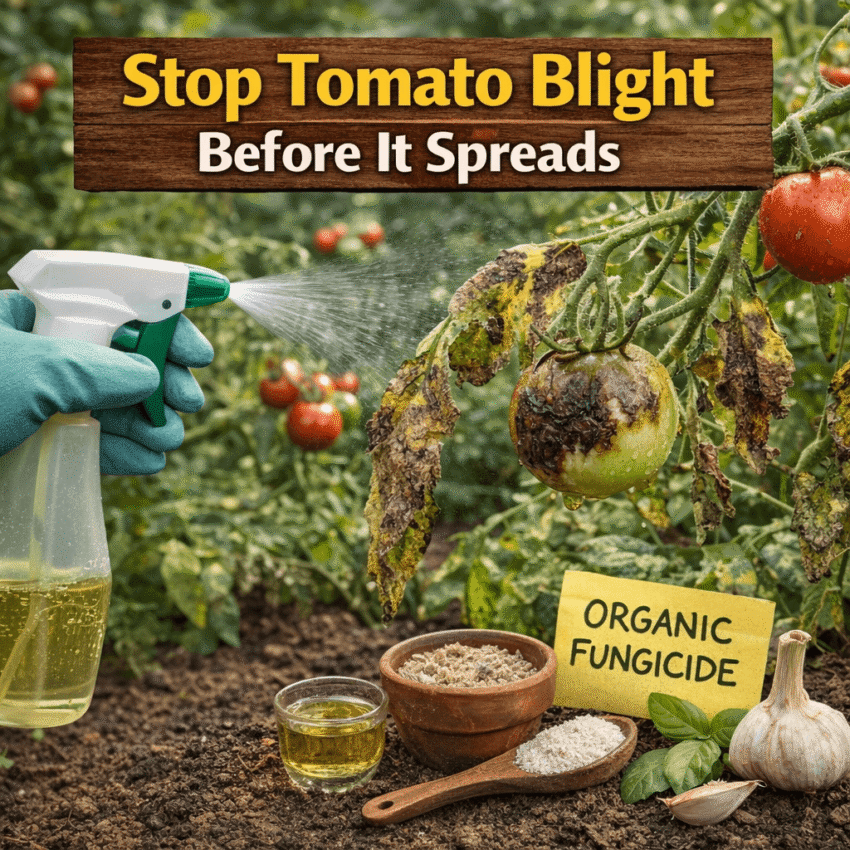
Tomato blight can spread fast and ruin healthy plants before you notice the damage. Discover how to choose the best fungicide for tomato blight treatment and stop infection early. This guide covers effective options, proper application timing, and simple prevention steps to protect your tomatoes and keep your garden productive
Key Takeaways
- Early detection saves your entire tomato crop-inspect plants weekly for dark spots on leaves, white mold on stems, or brown lesions on fruit, and remove infected plants immediately to prevent the disease from spreading to healthy ones.
- Proper watering techniques make the difference between healthy plants and diseased ones-water at the soil level in the morning rather than overhead, and space plants adequately to ensure good air circulation that keeps foliage dry.
- Preventive measures work better than treatments-apply copper-based fungicides before symptoms appear, rotate tomato planting locations each year, and choose blight-resistant varieties when starting your garden.
Identifying Key Factors in Blight Development
Understanding what causes tomato blight helps you prevent devastating crop losses. Several environmental conditions work together to create the perfect storm for disease development:
- Temperature fluctuations between 60-80°F
- High humidity levels above 90%
- Prolonged leaf wetness from rain or dew
- Poor air circulation around plants
- Dense foliage that traps moisture
After identifying these risk factors, you can take targeted action to protect your tomatoes.
Distinguishing Early vs. Late Blight Symptoms
Early blight appears as dark brown spots with concentric rings on lower leaves, while late blight creates irregular gray-green patches that quickly turn brown and water-soaked. You’ll notice early blight progresses slowly upward, but late blight spreads rapidly across the entire plant within days. After spotting either type, immediate intervention becomes necessary to save your crop.
Environmental Triggers and Humidity Levels
Humidity above 90% combined with temperatures between 60-80°F creates ideal conditions for blight spores to germinate. Your plants become most vulnerable when leaves stay wet for 12 hours or longer. After rain or heavy dew, the infection window opens wide for pathogen development.
Monitoring your garden’s microclimate gives you the upper hand against blight development. Relative humidity measurements taken at plant level reveal more accurate risk than general weather forecasts. Your tomatoes face the greatest danger during periods of fluctuating temperatures with persistent moisture, especially in late spring and early fall. Spores can germinate on wet leaf surfaces in as little as four hours when conditions align perfectly. Checking leaves early in the morning helps you assess overnight moisture retention, which directly correlates with infection probability. Dense plantings and inadequate spacing trap humid air around foliage, creating pockets where blight thrives even when surrounding areas remain relatively dry.
How to Prepare Your Garden for Disease Resistance
Building a disease-resistant garden starts with strategic planning before you plant a single seedling. Your soil preparation, cultivar selection, and spacing decisions create the foundation for healthy tomato plants that can withstand blight pressure. Proper garden preparation reduces disease risk by up to 70% compared to unprepared beds.
Selecting Certified Resistant Cultivars
Choose tomato varieties labeled with LB (Late Blight) or EB (Early Blight) resistance on seed packets or plant tags. Mountain Fresh Plus, Defiant PhR, and Iron Lady offer proven protection against common blight strains. Your local extension office can recommend varieties that perform best in your region’s specific disease conditions.
Soil Sterilization and Pre-Planting Protocols
Sterilize your garden soil through solarization or chemical treatment to eliminate overwintering blight spores. Remove all plant debris from previous seasons, as pathogens can survive in dead foliage for months. Test your soil pH and adjust to 6.2-6.8 for optimal plant health and disease resistance.
Solarization works by covering moistened soil with clear plastic for 4-6 weeks during your hottest summer months, raising temperatures to levels that kill fungal spores, bacteria, and weed seeds. You’ll need to plan this treatment the season before planting tomatoes. Alternatively, you can apply copper-based fungicides or biological treatments containing Bacillus subtilis to prepared beds two weeks before transplanting. Raised beds filled with fresh, sterile potting mix offer another effective option, especially if your garden has a history of persistent blight problems. Never reuse soil from containers where diseased plants grew, as this guarantees reinfection of your new crop.
Essential Tips for Optimal Airflow and Spacing
Proper plant spacing creates the foundation for preventing tomato blight by allowing air to circulate freely between plants. You should maintain at least 24-36 inches between tomato plants to reduce humidity levels that encourage fungal growth. Adequate airflow helps foliage dry quickly after rain or morning dew, eliminating the moist conditions blight pathogens need to thrive. Recognizing early signs of overcrowding allows you to adjust spacing before disease takes hold.
- Space plants 24-36 inches apart in rows
- Remove lower leaves touching the ground
- Ensure good air circulation around all plants
- Avoid planting in sheltered, windless areas
Strategic Trellising and Support Systems
Vertical trellising systems lift tomato plants off the ground, dramatically reducing contact with soil-borne blight spores. Your choice of stakes, cages, or string supports should allow plants to grow upward while maintaining space between neighboring vines. Supported plants experience better air movement through their canopy, which speeds drying time. Recognizing the benefits of vertical growth helps you prevent disease before it starts.
Pruning Techniques to Minimize Soil Splash
Removing lower branches within 12 inches of the soil prevents contaminated water from splashing onto foliage during watering or rainfall. You need to prune these bottom leaves as soon as plants establish themselves to create a protective barrier. Clean pruning cuts heal quickly without inviting infection. Recognizing which leaves to remove protects your plants from ground-level contamination.
Strategic pruning goes beyond simple leaf removal-it requires understanding how water moves during irrigation and storms. Soil particles carrying blight spores can splash up to 18 inches high, making your lowest foliage the most vulnerable entry point for disease. You’ll want to use sharp, sterilized pruners to make clean cuts at a 45-degree angle, which promotes faster healing and prevents water from pooling on cut surfaces. Prune on dry, sunny mornings so wounds can seal before evening humidity returns. Dispose of pruned material immediately rather than leaving it near plants, as discarded leaves can harbor spores that reinfect your crop. Your pruning schedule should continue throughout the growing season, removing any new growth that develops too close to the ground.
Maintenance Tips for Tool and Garden Sanitation
Keeping your gardening tools clean prevents tomato blight from spreading throughout your garden. You should establish a regular sanitation routine that includes:
- Disinfecting tools between plants and after each use
- Removing all plant debris from the garden bed
- Cleaning soil from equipment before storage
- Washing hands and gloves frequently while working
Any contaminated surface can harbor blight spores for months.
Disinfecting Pruners and Gardening Gear
Sterilize your pruning shears with a 10% bleach solution or 70% rubbing alcohol between cuts when working with tomato plants. Dip the blades for at least 30 seconds to kill fungal spores effectively. Clean soil and plant residue from shovels, stakes, and cages using hot soapy water. Any tool that contacts infected plants requires immediate disinfection.
Managing Debris to Prevent Spore Overwintering
Remove all infected plant material from your garden as soon as you spot blight symptoms. Bag diseased leaves, stems, and fruits in sealed plastic bags for trash disposal-never compost them. Clear fallen debris around tomato plants weekly during the growing season. Any remaining plant matter can harbor overwintering spores until next season.
Blight pathogens survive winter in plant debris left on the soil surface or buried shallowly in garden beds. The spores remain viable for several months, waiting to infect your next tomato crop when conditions become favorable. You must remove all tomato plant residue at season’s end, including roots, stems, and any dropped fruit. Till or turn the soil after cleanup to bury remaining organic matter deeply, which helps break down spores faster. Crop rotation becomes even more effective when combined with thorough debris removal, as it denies overwintering spores their preferred host plants.
Summing up
Considering all points, you can protect your tomato plants by identifying blight symptoms early, removing infected foliage promptly, and applying appropriate fungicides. You should space plants properly for air circulation, water at soil level, and practice crop rotation annually. Your vigilance in monitoring weather conditions and implementing preventive measures will keep your garden healthy. Acting quickly at the first signs of infection stops this devastating disease from destroying your entire harvest.
FAQ
Q: What are the first signs of tomato blight that I should watch for in my garden?
A: The earliest symptoms appear as dark brown or black spots on the lower leaves of your tomato plants. These spots often have a yellow halo around them and may look water-soaked. The leaves will start to curl, wither, and drop from the plant within days. You might notice similar dark lesions developing on the stems and even on the fruit itself. Late blight spreads rapidly in humid conditions, so check your plants every morning during wet weather. Early blight typically shows up as concentric rings within the spots, creating a target-like pattern. If you see white, fuzzy growth on the undersides of leaves during damp mornings, this indicates late blight spores are actively spreading.
Q: How can I prevent tomato blight from spreading to healthy plants once I’ve identified it?
A: Remove infected leaves immediately using clean, sharp pruning shears and dispose of them in sealed plastic bags-never in your compost pile. Disinfect your tools with a 10% bleach solution between cuts to avoid transferring spores. Space your tomato plants at least 24-36 inches apart to improve air circulation, which helps leaves dry quickly after rain or morning dew. Water at the base of plants early in the day rather than overhead watering, keeping foliage as dry as possible. Apply organic copper-based fungicides or products containing Bacillus subtilis as a protective barrier on healthy plants. Mulch around the base of plants with straw or wood chips to prevent soil-borne spores from splashing onto lower leaves during rainfall. Consider removing severely infected plants entirely to protect the rest of your garden.
Q: Can I save tomatoes from a plant that has blight, and is the soil safe to use next season?
A: Harvest any unblemished, fully-sized tomatoes from infected plants right away, as they’re safe to eat if the fruit itself shows no signs of disease. Wash them thoroughly and use them quickly rather than storing them long-term. Green tomatoes from blighted plants can ripen indoors if they have no spots or lesions. The blight pathogens can survive in soil and plant debris over winter, so clean up is crucial. Remove all tomato plant material at the end of the season and destroy it. Rotate your tomato planting location, avoiding the same spot for at least three years. You can treat the soil by solarizing it during hot summer months-cover the area with clear plastic for 4-6 weeks to kill pathogens. Adding compost and beneficial microorganisms helps create a healthier soil ecosystem that’s less hospitable to blight spores.