
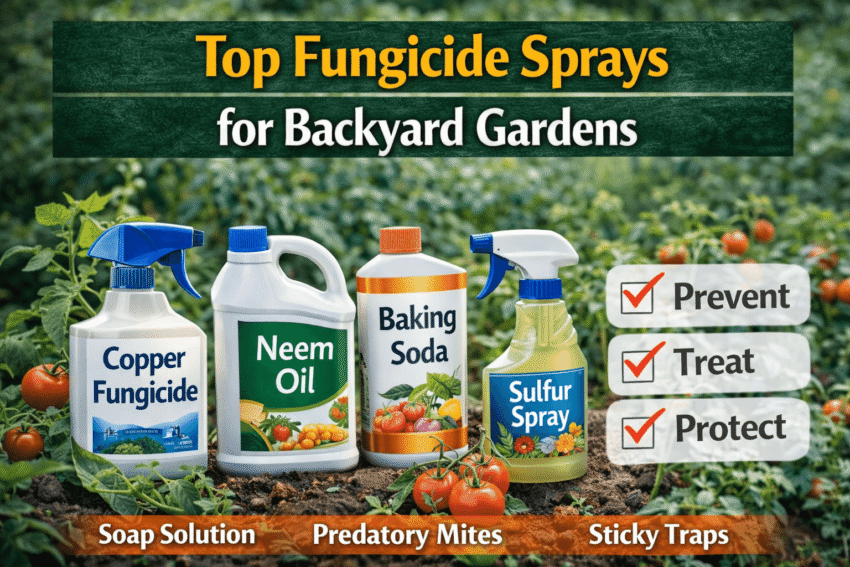
Over 80% of garden plant diseases stem from fungal infections that can destroy your harvest if left untreated. You need effective fungicide sprays to protect your vegetables, flowers, and fruits from powdery mildew, blight, and rust. This guide shows you the best fungicide options available, from organic copper-based solutions to synthetic treatments that deliver fast-acting protection for your backyard garden.
Key Takeaways
- Copper-based fungicides work well for preventing common diseases like early blight, powdery mildew, and leaf spot on vegetables and ornamentals. Apply these sprays every 7-10 days during humid weather when fungal infections spread most rapidly.
- Neem oil serves as an organic option that controls both fungal diseases and insect pests while remaining safe for beneficial insects when applied during early morning or evening hours. This natural solution breaks down quickly in sunlight and requires reapplication after rain.
- Sulfur sprays provide effective treatment for black spot on roses, rust diseases, and powdery mildew across many garden plants. Mix sulfur products carefully according to label directions and avoid application when temperatures exceed 85°F to prevent leaf burn.
Identifying Common Fungal Pathogens in the Garden
Your ability to spot fungal diseases early determines treatment success and plant survival. White powdery coatings, orange pustules, brown leaf spots, and wilting stems signal different pathogens requiring specific fungicide applications. You’ll find most fungal infections start with subtle discoloration before spreading rapidly during humid conditions. Quick identification saves your plants from permanent damage.
Recognizing Powdery Mildew and Rust
Powdery mildew appears as white or gray dusty patches on leaf surfaces, thriving in warm, dry days with cool nights. Rust presents as orange, yellow, or brown pustules on leaf undersides that release spores when touched. Both diseases weaken plants by blocking photosynthesis and spread quickly through garden beds without intervention.
Detecting Blight and Root Rot Symptoms
Blight causes rapid browning and wilting of leaves, stems, and fruits, often killing entire plants within days. Root rot manifests as yellowing leaves, stunted growth, and blackened roots that smell foul when examined. You’ll notice affected plants struggle to absorb water despite adequate soil moisture.
Distinguishing between these two destructive diseases requires examining both above-ground and below-ground symptoms. You can confirm blight by checking for dark lesions spreading along stems and water-soaked spots on foliage. Pull up a suspected plant to inspect roots-healthy roots appear white or tan, while rotted roots turn brown or black and feel mushy. Blight spreads through water splashes and infected tools, whereas root rot develops from overwatering, poor drainage, or contaminated soil. Your fungicide choice depends on accurate diagnosis since foliar sprays treat blight effectively but root rot requires soil drenches or systemic treatments.
Key Factors to Consider When Selecting a Fungicide
Selecting the right fungicide requires careful evaluation of several imperative elements. You must assess the specific fungal disease affecting your plants, as different formulations target distinct pathogens. Consider these priorities:
- Active ingredient compatibility with your garden plants
- Application frequency and timing requirements
- Safety ratings for pets and beneficial insects
- Environmental impact and runoff concerns
Perceiving these factors helps you make informed decisions that protect both your plants and garden ecosystem.
Evaluating Organic vs. Synthetic Ingredients
Organic fungicides contain naturally-derived compounds like sulfur, copper, or beneficial bacteria that work slower but pose minimal environmental risks. Synthetic options deliver faster results with stronger pathogen control, though they may leave chemical residues. Your choice depends on garden size, infestation severity, and personal preferences. Perceiving the trade-offs between speed and sustainability guides your selection process.
Understanding Plant Sensitivity and Residual Effects
Plant sensitivity varies dramatically across species, with some developing phytotoxic reactions to certain fungicides. You should test products on small areas first, especially with delicate ornamentals or edibles. Residual effects determine how long protection lasts and when you can safely harvest. Perceiving these variables prevents accidental plant damage.
Different plant families exhibit unique tolerance levels to fungicide formulations. Roses typically handle sulfur-based treatments well, while cucurbits may show leaf burn or stunted growth from the same product. You need to check product labels for specific plant restrictions and pre-harvest intervals before application. Residual activity affects beneficial microorganisms in your soil, potentially disrupting the natural balance that supports healthy plant growth. Temperature and humidity also influence how plants respond to treatments, with heat stress increasing sensitivity to certain chemicals. Your timing matters significantly-applying fungicides during cool morning hours reduces the risk of foliar damage while maximizing absorption rates.
Top-Rated Fungicide Solutions for Home Growers
Your backyard garden deserves professional-grade protection against fungal diseases that can devastate your plants within days. Selecting the right fungicide depends on your specific plant types, climate conditions, and the severity of existing infections. Both chemical and organic options offer effective disease management when applied correctly at early infection stages.
Copper and Sulfur-Based Formulations
Copper-based fungicides provide broad-spectrum protection against bacterial and fungal diseases, working best as preventative treatments before infection occurs. Sulfur formulations excel at controlling powdery mildew, rust, and black spot on roses and vegetables. You should avoid applying these during temperatures above 85°F as they can burn plant foliage under hot conditions.
Bio-fungicides and Neem Oil Applications
Organic gardeners prefer bio-fungicides containing Bacillus subtilis or Streptomyces lydicus, which compete with harmful fungi naturally. Neem oil works as both a fungicide and insecticide, disrupting fungal spore germination while remaining safe for beneficial insects when properly applied.
Bio-fungicides establish colonies of beneficial microorganisms on plant surfaces that actively outcompete disease-causing pathogens for space and nutrients. You’ll find these products particularly effective for preventing damping-off, root rot, and foliar diseases when applied during early morning or evening hours. Neem oil requires consistent reapplication every 7-14 days and works best when mixed with a spreader-sticker to improve leaf coverage. Your plants benefit from neem’s systemic properties as it gets absorbed into leaf tissue, providing internal protection for up to two weeks. These biological options break down quickly in sunlight, making them ideal for edible crops you’ll harvest within days of treatment.
Expert Tips for Timing and Frequency
Your fungicide application schedule determines how effectively you’ll control disease outbreaks in your garden. Apply treatments during the early morning hours when temperatures are cooler and winds are calm. Key factors to consider include:
- Plant growth stage and susceptibility periods
- Current disease pressure in your area
- Weather forecasts for the next 48 hours
- Product label instructions for reapplication intervals
Any deviation from recommended timing can reduce protection and waste your investment.
Optimal Weather Conditions for Application
Temperature and humidity levels directly impact fungicide effectiveness in your backyard garden. You should avoid spraying when temperatures exceed 85°F or when rain is expected within 24 hours. Calm conditions with wind speeds below 5 mph prevent drift and ensure proper coverage. Any application during midday heat can cause leaf burn and reduced absorption.
Establishing a Preventative Spray Schedule
Preventative applications work best when started before disease symptoms appear on your plants. Begin your spray program in early spring as new growth emerges and continue at 7-14 day intervals throughout the growing season. Any gaps in coverage create opportunities for fungal pathogens to establish.
Your preventative schedule should align with disease development cycles specific to your region and the crops you’re growing. Most fungal diseases thrive during periods of high humidity and moderate temperatures, making spring and fall particularly vulnerable times. You’ll need to increase spray frequency during extended wet periods when spore germination accelerates. Keep detailed records of application dates, products used, and weather conditions to refine your approach each season. This proactive strategy costs less than treating active infections and protects your harvest quality throughout the year.
Essential Safety and Storage Protocols
Your health depends on following strict safety measures when handling fungicide sprays in your backyard garden. Store all products in their original containers within a locked cabinet away from children and pets, keeping them in cool, dry locations away from direct sunlight. Check expiration dates regularly and maintain proper ventilation during application.
Proper Use of Personal Protective Equipment
Protecting yourself requires wearing chemical-resistant gloves, long sleeves, pants, and safety goggles during every fungicide application. You should also use a respirator mask when spraying overhead or in enclosed spaces. Wash all protective gear separately after each use and shower immediately following application.
Environmental Precautions and Disposal Guidelines
Safeguarding local ecosystems means never applying fungicides before rain or near water sources. You must dispose of empty containers according to local hazardous waste regulations and avoid pouring excess chemicals down drains. Rinse containers three times before recycling where permitted by your municipality.
Your community’s water quality relies on responsible disposal practices that prevent contamination of groundwater and surface water. Contact your local waste management facility to locate hazardous household waste collection sites that accept pesticide containers and unused products. Many municipalities offer seasonal collection events specifically for agricultural chemicals. Never burn fungicide containers as this releases toxic fumes into the atmosphere. If you have excess mixed spray solution, apply it to labeled plants rather than storing partially used mixtures, which can degrade and become ineffective or dangerous over time.
Summing up
With these considerations in mind, you can protect your backyard garden from fungal diseases effectively. Choose products that match your specific plant needs and disease challenges. Organic options like neem oil work well for prevention, while copper-based sprays handle active infections. Always follow label instructions carefully, apply at recommended intervals, and rotate different fungicides to prevent resistance buildup in your garden.
FAQ
Q: What are the most effective fungicide sprays for treating common backyard garden diseases?
A: Copper-based fungicides work exceptionally well for treating blight, leaf spot, and mildew on vegetables and ornamental plants. Neem oil serves as an excellent organic option that controls powdery mildew, black spot, and rust while remaining safe for beneficial insects. Sulfur sprays provide reliable protection against powdery mildew, leaf blight, and various fungal infections on fruits, vegetables, and roses. Bacillus subtilis products offer a biological solution that prevents and treats fungal diseases without harsh chemicals. The best choice depends on your specific plant types and the diseases affecting your garden.
Q: How often should I apply fungicide sprays in my backyard garden?
A: Application frequency varies based on the product type and weather conditions in your area. Preventive treatments typically require spraying every 7-14 days during humid or rainy periods when fungal diseases spread most rapidly. Organic options like neem oil may need reapplication every 7 days, especially after rainfall or heavy watering. Synthetic fungicides often provide longer protection, lasting 10-14 days between applications. Stop spraying once environmental conditions become dry and less favorable for fungal growth. Always check the product label for specific timing recommendations, and avoid applying fungicides during extreme heat or when plants show drought stress.
Q: Can I use fungicide sprays on edible plants, and are there any safety precautions?
A: Many fungicides are approved for use on edible crops, but you must follow the pre-harvest interval listed on each product label. This waiting period between the last spray and harvest ensures the produce is safe to eat. Organic options like neem oil, copper fungicides, and sulfur can be used on vegetables with shorter waiting periods, often just 24 hours to a few days. Wear protective gloves, long sleeves, and eye protection when mixing and applying any fungicide product. Spray during early morning or evening hours to avoid harming pollinators and prevent leaf burn from sun exposure. Store all fungicides in their original containers away from children, pets, and food items.