
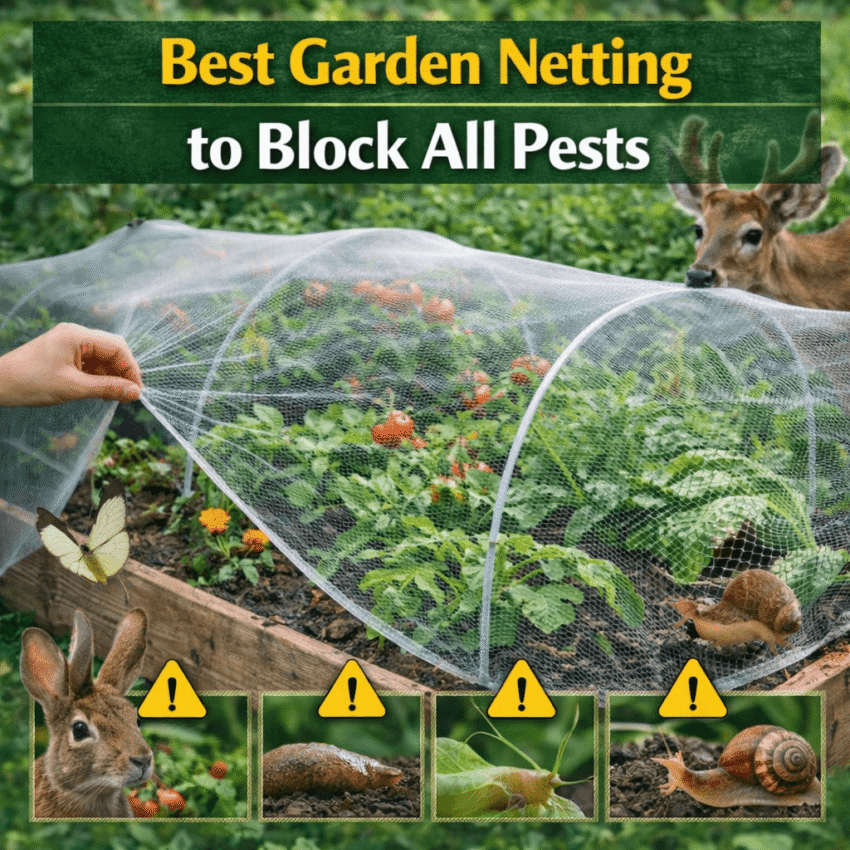
Protecting crops starts with choosing the best garden netting for pest protection before insects, birds, and small animals cause damage. This guide shows how the right mesh size, material, and durability can shield your vegetables effectively, helping you prevent losses, reduce chemical use, and keep your garden healthy all season.
Key Takeaways
- Mesh size determines which pests you can block-fine netting with 0.8mm or smaller openings stops aphids, whiteflies, and flea beetles, while 6mm mesh works for larger insects and birds. Choose your netting density based on the specific pests threatening your garden.
- UV-stabilized polyethylene and HDPE netting materials last 3-5 seasons without degrading in sunlight, making them more cost-effective than cheaper alternatives that tear or become brittle after one growing season. Look for products specifically labeled as UV-resistant for long-term protection.
- Proper installation matters as much as netting quality-secure edges completely to the ground or raised bed frames, leave enough slack for plant growth, and use hoops or supports to prevent the material from touching leaves where pests can still feed through the mesh.
Critical Factors for Selecting the Right Garden Netting
Choosing the right garden netting requires careful evaluation of several key features that determine its effectiveness against pests. Your selection should balance protection needs with plant health requirements. Consider these vital factors:
- Mesh size appropriate for target pests
- Material strength and longevity
- UV protection capabilities
- Installation ease and flexibility
This combination ensures optimal pest control throughout growing seasons.
Mesh Size and Aperture Specifications
Different pests require specific mesh apertures to block their entry effectively. You’ll need fine mesh (0.6mm) for tiny insects like thrips and aphids, while larger openings (5-7mm) suffice for birds and butterflies. Matching aperture size to your primary pest threats prevents both infestations and unnecessary airflow restriction. This precision maximizes protection without compromising plant ventilation.
Material Durability and UV Resistance
Quality netting materials withstand harsh weather conditions while maintaining structural integrity over multiple seasons. You should prioritize UV-stabilized polyethylene or high-density polyethylene that resists degradation from sunlight exposure. This protection prevents premature breakdown and maintains consistent pest barriers.
UV-treated materials contain special additives that absorb or reflect harmful ultraviolet radiation, extending the netting’s functional lifespan by several years. Your investment in UV-resistant netting pays dividends through reduced replacement costs and consistent protection. Standard untreated materials typically degrade within 1-2 seasons, becoming brittle and developing tears that compromise pest exclusion. High-quality UV-stabilized options maintain flexibility and strength for 5-7 years, even under intense sun exposure. The molecular structure of these enhanced materials resists photodegradation, ensuring your garden remains protected season after season without constant maintenance or replacement expenses.
How to Match Netting Types to Specific Garden Pests
Matching your netting to the pest size determines protection effectiveness. You’ll need different mesh sizes for various threats invading your garden space.
- Birds and rabbits require 3/4-inch to 1-inch openings
- Butterflies and moths need 1/4-inch mesh barriers
- Beetles and caterpillars demand 1/8-inch protective screens
- Aphids and thrips necessitate ultra-fine 0.6mm mesh
Recognizing the primary pest in your garden helps you select the most cost-effective netting solution.
| Pest Type | Recommended Mesh Size |
| Birds & Large Wildlife | 3/4″ – 1″ |
| Butterflies & Moths | 1/4″ |
| Beetles & Caterpillars | 1/8″ |
| Aphids & Thrips | 0.6mm |
| Whiteflies & Mites | 0.3mm |
Heavy-Duty Barriers for Birds and Large Wildlife
Birds and rabbits cause significant damage to fruiting plants and seedlings. Your best defense involves 3/4-inch polypropylene netting with UV stabilization for durability. This mesh size prevents entry while allowing adequate sunlight and rain penetration for healthy plant growth.
Ultra-Fine Mesh for Aphids and Small Insects
Aphids measure less than 1mm, requiring specialized screening solutions. You need 0.6mm mesh or finer to block these microscopic pests effectively. This tight weave stops tiny insects while maintaining 80-90% light transmission for your vegetables.
Installation of ultra-fine mesh requires careful attention to ground-level sealing. You must secure all edges with soil, stakes, or weighted materials to prevent pest infiltration underneath. The lightweight material drapes easily over hoops or frames, creating protective tunnels over raised beds. Your crops receive sufficient airflow through the microscopic openings, preventing fungal issues common with solid plastic covers. Peak performance occurs when you inspect weekly for tears or gaps where insects might penetrate your defenses.
How to Measure Your Garden for Optimal Coverage
Accurate measurements prevent gaps where pests can infiltrate your protected growing areas. Start by measuring the length and width of each garden section you plan to cover, then add at least 12 inches to each dimension for proper anchoring. Your netting must drape over supports with enough excess material to secure firmly at ground level.
Calculating Dimensions for Raised Beds and Row Covers
Measure your raised bed’s length, width, and the height of any support hoops you’ll install. You’ll need netting that extends 6-8 inches beyond all edges to create a pest-proof seal. Account for the arc of hooped supports by measuring over the top rather than straight across.
Sizing Netting for Fruit Trees and Large Shrubbery
Determine the full canopy spread of your tree or shrub at its widest point, measuring from ground level on one side to ground level on the opposite side. Add 24 inches to this measurement to ensure complete coverage that reaches the soil around the trunk’s base.
Trees require special consideration because their irregular shapes and varying heights make standard measurements insufficient. Walk completely around your tree and identify the lowest branches you need to protect, as these establish your minimum coverage area. Your netting should extend from above the highest fruit-bearing branches down to the ground, creating a complete enclosure. Measure the circumference at the tree’s base where you’ll anchor the netting, ensuring you have enough material to overlap by at least 12 inches at the closure point. Dwarf fruit trees typically need 15-20 feet of netting diameter, while standard-sized trees may require 30 feet or more to achieve full protection.
How to Install Netting Systems for Maximum Security
Proper installation determines whether your garden netting successfully blocks pests or becomes a waste of money. You need to create a tight, gap-free barrier that extends from above your plants down to soil level. Position your netting at least 6 inches away from plant foliage to prevent insects from feeding through the mesh.
Constructing Support Frames and Hoops
PVC pipes or metal hoops provide the best framework for supporting your netting without sagging. Space supports every 3-4 feet along your garden beds, ensuring adequate height for plant growth. Secure crossbars at the top to prevent the structure from collapsing under wind or rain.
Anchoring Techniques to Block Ground-Level Pests
Ground-level security prevents crawling insects and small animals from sneaking underneath your netting. Bury the bottom edge 4-6 inches deep in a trench around your garden perimeter. Use landscape staples, rocks, or soil to seal any remaining gaps completely.
The anchoring process requires attention to detail at every connection point between netting and ground. Create an L-shaped trench by digging down and then outward, which stops burrowing pests more effectively than straight vertical burial. Check your perimeter weekly during peak growing season, as rain and wind can create new openings. Reinforce weak spots immediately using additional staples or weighted materials like boards covered with soil.
Pro Tips for Maintaining Your Garden Netting
Regular maintenance extends the lifespan of your garden netting and ensures maximum pest protection throughout growing seasons. Your netting requires periodic inspections to check for tears, loose fasteners, and compromised anchor points that could allow pest entry. Key maintenance tasks include:
- Weekly visual inspections during peak growing season
- Immediate repair of any holes or tears
- Tightening loose support structures and stakes
- Removing debris and vegetation buildup
Though simple, these practices prevent costly replacements.
Seasonal Cleaning and Proper Storage Methods
Clean your netting at season’s end by gently hosing off dirt, plant residue, and accumulated debris before storage. Allow the material to dry completely in sunlight to prevent mold and mildew growth during off-season months. Fold the netting loosely rather than creating tight creases that weaken the mesh structure. Store in a cool, dry location away from rodents and sharp objects.
Identifying and Repairing Structural Damage
Inspect your netting carefully for small holes, frayed edges, and UV degradation that appears as brittle or discolored sections. Patch minor tears immediately using repair tape designed for outdoor fabrics or sew them with weather-resistant thread. Replace sections showing extensive sun damage or large rips exceeding six inches.
Damage assessment should occur monthly during active use, focusing on high-stress areas where netting attaches to support frames or ground stakes. Look for stretched mesh around fastening points, as this indicates the material has lost its structural integrity. UV exposure causes the most common deterioration, particularly on south-facing sections receiving direct sunlight for extended periods. You can reinforce vulnerable areas with double-layered patches or strategically placed shade cloth to prolong netting life. Catching damage early prevents complete barrier failure that would expose your crops to pest invasion.
Essential Tips for Plant Health Under Covers
Proper ventilation becomes your top priority when using garden netting, as trapped heat and moisture can damage plants faster than pests. Monitor temperature levels daily and adjust coverage during extreme weather conditions. Water early in the morning to allow foliage time to dry before evening. Recognizing signs of stress like yellowing leaves or wilting helps you make timely adjustments.
- Check plants daily for signs of heat stress or moisture buildup
- Ensure netting doesn’t touch plant foliage directly
- Leave adequate space between covers and plant tops
- Remove covers during mild weather when pest pressure is low
Managing Airflow and Preventing Fungal Growth
Stagnant air under netting creates the perfect environment for fungal diseases like powdery mildew and botrytis. You should install support hoops to keep fabric elevated above foliage, allowing air to circulate freely. Space your netting at least 6-8 inches above mature plant height to prevent contact and promote continuous airflow throughout the growing area.
Strategic Timing for Pollinator Access
Flowering crops require pollinator visits, so you must remove or lift netting during peak pollination hours. Open your covers between 9 AM and 3 PM when bees and beneficial insects are most active. Replace protection in late afternoon to prevent evening pest activity while maximizing pollination success rates.
Your pollination strategy should align with your specific crops’ flowering patterns and local pollinator activity schedules. Cucumbers, squash, and melons need only a few hours of open access during their bloom period, while tomatoes and peppers are self-pollinating and require less intervention. Consider installing removable side panels on larger netting structures that you can easily open and close without disturbing the entire setup. Observe which pollinators visit your garden most frequently and time your openings accordingly-native bees often arrive earlier than honeybees, while butterflies prefer warmer midday temperatures. Keep a simple log of pollinator activity for the first week to establish the optimal schedule for your specific location and climate zone.
To wrap up
Taking this into account, you need the right garden netting to protect your plants from destructive pests. Your choice depends on the specific threats in your area, whether birds, insects, or larger animals. Fine mesh netting works best for small insects, while heavier-gauge options deter mammals and birds. You should prioritize durable, UV-resistant materials that withstand weather conditions and provide long-term protection for your garden investment.
FAQ
Q: What mesh size should I choose for garden netting to block different pests?
A: The mesh size you need depends on which pests are damaging your garden. Fine mesh netting with holes smaller than 0.8mm works best for blocking tiny insects like aphids, thrips, and whiteflies. Medium mesh netting between 1mm and 5mm effectively stops larger insects such as cabbage moths, beetles, and leaf miners while still allowing good air circulation. Bird netting typically features 15mm to 20mm openings, which prevents birds from reaching your crops but won’t stop insects. Many gardeners use multiple layers or different netting types on various garden sections to create complete protection against their specific pest problems.
Q: How do I properly install garden netting to ensure maximum pest protection?
A: Proper installation starts with creating a frame or support structure using hoops, stakes, or poles that keep the netting from touching your plants directly. Secure the netting edges to the ground using soil, rocks, landscape staples, or buried edges to prevent pests from crawling underneath. Check for any gaps, tears, or loose sections where insects or birds might enter, paying special attention to corners and seams. The netting should have enough slack to allow plants to grow without pushing through the material. Inspect your installation weekly and repair any damage immediately, as even small holes can let pests access your crops. Remove the netting only when necessary for watering, harvesting, or maintenance, then replace it promptly.
Q: Can garden netting affect plant growth or reduce crop yields?
A: Garden netting generally supports healthy plant growth when you select the right type and install it correctly. Fine mesh netting can reduce light transmission by 10-20%, which might slow growth slightly in shaded areas but rarely causes significant problems in full sun locations. The netting protects plants from pest damage that would otherwise stunt growth or kill crops entirely, resulting in better overall yields. Air flow remains adequate with most netting types, though extremely fine mesh may increase humidity levels and require extra monitoring for fungal issues. Pollinator-friendly crops like squash, cucumbers, and fruit trees need open netting or scheduled removal during flowering periods to allow bee access. Heat buildup under netting stays minimal in most climates, but you should provide shade cloth instead of pest netting during extreme heat waves above 95°F.