
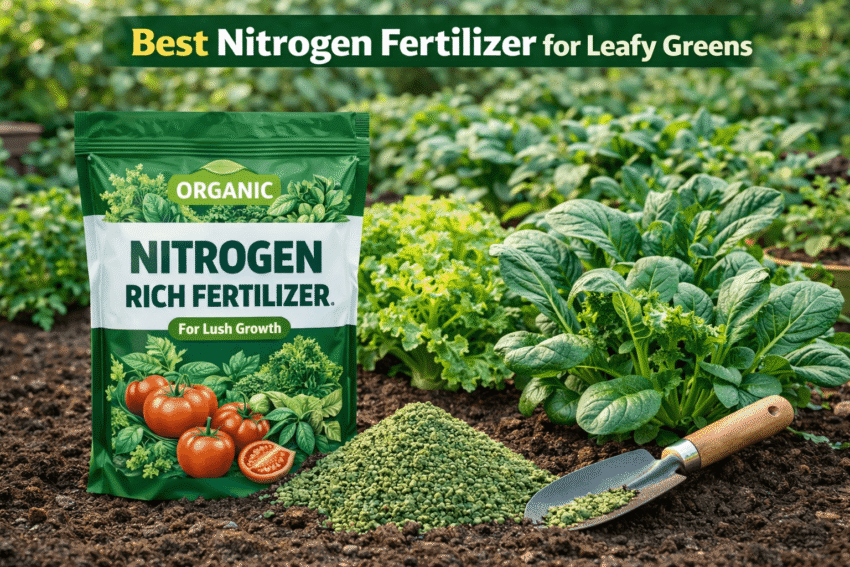
Most gardeners can boost leafy greens by adding nitrogen, but you must test soil, avoid overfeeding (which causes leaf burn), and apply measured doses so you get faster, healthier growth.
Key Takeaways
- Nitrogen drives leafy biomass and chlorophyll production, promoting rapid growth in lettuce, spinach, and other greens.
- Use nitrate-based fertilizers or balanced ammonium/nitrate blends for quick uptake; consider slow‑release or organic sources to reduce leaching.
- Apply nitrogen in split doses during active growth (e.g., 20-30 ppm N in hydroponics or 50-100 kg/ha seasonally in soils) and taper before harvest to improve shelf life.
- Overapplication causes excessive soft growth, higher disease susceptibility, and nitrate accumulation—monitor with tissue tests and adjust EC and pH.
- Protect water quality by matching supply to crop demand, avoiding applications before heavy rain, and choosing slow‑release products where possible.
Nitrogen Boost for Leafy Greens
Soil nitrogen needs change with variety, growth stage and yield targets, so you must tailor rates to your leafy greens. Recognizing soil tests, plant demand and the risk of overapplication prevents waste and leaching.
- Soil tests
- Crop stage
- Environmental factors
Assessing Soil Composition and Nutrient Baselines
Testing your soil for pH, organic matter and baseline nitrogen lets you set precise rates and avoid excess that can burn your greens.
Impact of Environmental Conditions on Nutrient Absorption
Temperature and moisture extremes alter your nutrient absorption, slowing uptake when soils are cold or waterlogged and increasing leaching risk after heavy rain.
Sunlight drives growth and shifts your nitrogen demand; high light boosts uptake while shade lowers needs, so you must match timing and rate. Soil temperature and moisture control root activity-cold or saturated soils cut uptake, and storms raise the risk of leaching and reduced efficiency, while careful timing limits foliar burn.
How to Identify Nitrogen Deficiency in Leafy Crops
Signs you should watch include uniform pale green to yellow lower leaves, slow canopy development, and thin stems-classic indicators of nitrogen deficiency that reduce yield if uncorrected.
Recognizing Chlorosis and Stunted Leaf Development
Yellowing first appears on older leaves as interveinal chlorosis; you will also see stunted leaf development and reduced leaf size, signaling you need to test soil or apply nitrogen promptly.
Visual Cues for Mid-Season Nutrient Stress
During mid-season you should watch for uneven yellowing, leaf tip burn, and slowed regrowth between harvests-these visual cues point to mounting nitrogen stress that can cut marketable yield.
Observe leaf patterning carefully: you will notice nitrogen deficiency begins on older leaves and moves upward, while patchy yellowing often signals localized compaction or pest damage. Severe mid-season shortage produces rapid, widespread chlorosis and small, thin leaves that slash yield. If you detect these signs, test quickly and apply a fast-acting nitrogen sidedress or foliar feed to limit losses.
How to Select the Optimal Nitrogen Source
Comparing Organic Amendments and Synthetic Options
You should weigh organic amendments’ slow release and soil-building benefits against synthetic fertilizers’ predictable N ratios and quick uptake; overapplication of synthetics risks burn and runoff, while organics require larger volumes and time.
Organic vs Synthetic
| Organic Amendments | Synthetic Options |
| You get slow, steady N release and improved soil biology. | You get precise N ratios and rapid availability for quick green-up. |
| You reduce long-term leaching and feed microbes. | You must manage application closely to avoid burn & runoff. |
| You apply more frequently by weight and wait longer to see results. | You apply smaller amounts with faster response but higher short-term risk. |
Benefits of Slow-Release vs. Fast-Acting Formulas
Slow-release blends give you steady nitrogen, reducing burn and leaching, while fast-acting formulas deliver quick green-up but increase watering needs and runoff risk.
Compare coated slow-release fertilizers or composted organics when you want multi-week N supply that lowers peak soil concentrations and minimizes leaching; fast-acting salts suit quick corrections but demand careful dosing and irrigation to prevent plant burn and environmental loss, so you must match formula to crop stage and moisture management.
Quick Procedure
Follow the checklist and table to apply nitrogen with precision; you should base rates on soil tests, split doses, and avoid over-application to prevent leaf burn while boosting leaf growth.
Timing the Application for Peak Vegetative Stages
Time your applications to hit the rapid leaf-expansion window so you supply nitrate when root uptake is highest; this reduces wasted nitrogen, limits nitrate runoff, and increases leaf production during the most responsive growth phase.
Precision Techniques for Side-Dressing and Soil Mixing
Use narrow bands 2-3 inches from stems or mix granules into the top 1-2 inches of soil, measuring by area so you prevent root burn and minimize runoff while improving uptake.
When side-dressing, place fertilizer in a consistent band beside each row and keep it off crowns to avoid burn. You should split applications into smaller, repeat doses to maintain steady supply and reduce losses; irrigate lightly after each application to move N into the active root zone, and wear gloves when handling concentrated products.
To wrap up
So you should apply measured nitrogen doses, monitor leaf color and growth, and adjust timing to increase leafy-green yield and quality while avoiding tip burn and nitrate accumulation.
FAQ
Q: What role does nitrogen play for leafy greens?
A: Nitrogen drives chlorophyll production and leaf expansion, producing the large, tender leaves that define crops like lettuce, spinach and kale. Nitrogen supports amino acid and protein synthesis, so plants with adequate nitrogen grow faster and develop deeper green color. Excessive nitrogen causes overly rapid, tender growth, weak stems and higher nitrate accumulation in leaves, which can affect flavor and food safety.
Q: How should I boost nitrogen safely in garden beds and containers?
A: Start with a soil test to determine existing nutrient levels and pH before adding nitrogen. Choose a source suited to your goals: quick-release synthetics such as urea (46-0-0) or calcium nitrate (15.5-0-0) give fast results, while organic options such as blood meal, fish emulsion and well-rotted compost release nitrogen more slowly. Apply granular fertilizers as a band or side-dress beside rows and water them in to reduce volatilization; use liquid feeds or diluted fish emulsion for foliar or container feeding. Follow product label rates and split applications into smaller, frequent doses rather than one heavy application to reduce burn and leaching.
Q: How much and how often should I apply nitrogen to common leafy greens?
A: Apply a balanced starter fertilizer at planting, then supply additional nitrogen during active vegetative growth. Fast-growing salad greens often benefit from light, frequent feeds every 1-3 weeks; slower greens and established beds can get a slow-release or side-dress every 3-6 weeks. For containers, use liquid fertilizer or diluted fish emulsion at label-recommended intervals to avoid salt buildup. Adjust frequency and amount based on plant vigor, leaf color and soil test results rather than a fixed schedule.
Q: What are clear signs of nitrogen deficiency versus nitrogen excess?
A: Deficiency shows as pale green to yellowing older leaves, reduced leaf size, slow growth and lower yields. Plants may become leggy as they stretch for light. Excess appears as very dark green, lush foliage with soft tissue, delayed flowering or maturity, more susceptibility to pests and diseases, and possible leaf tip burn or root stress from salt accumulation. High soil nitrogen can also lead to elevated nitrate levels in harvested leaves.
Q: What environmental and food-safety precautions should I take when boosting nitrogen?
A: Avoid applying high rates before heavy rain to reduce runoff and groundwater contamination; use split applications, slow-release products and organic amendments to reduce leaching. Maintain buffer strips or vegetative barriers if beds border water bodies. Stop high-nitrogen feeding a short time before harvest to minimize nitrate accumulation in leaves and always rinse harvested greens thoroughly. Follow label instructions and local regulations to protect water quality and human health.