
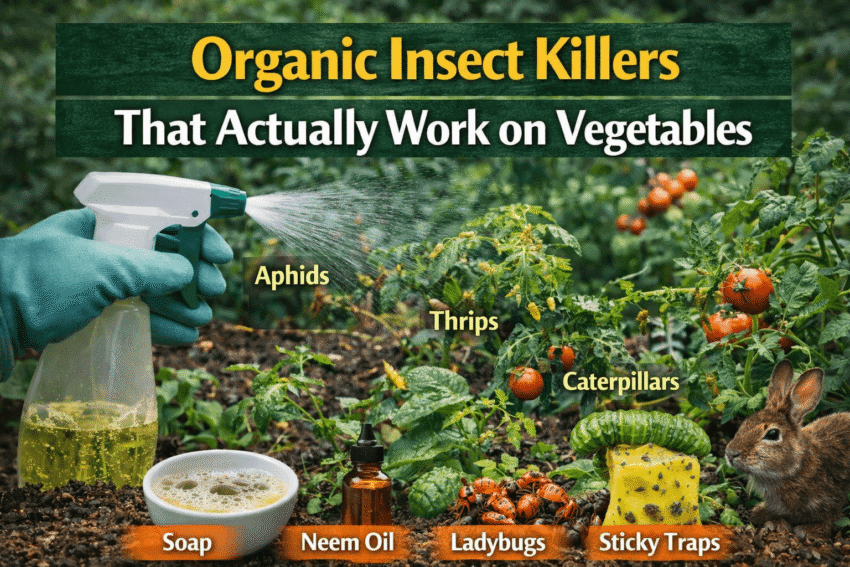
Control garden pests without harmful chemicals by using proven natural methods that protect your plants and family. You can eliminate destructive insects while preserving beneficial pollinators through strategic organic approaches. These nine tested techniques deliver effective results that match or exceed conventional pesticides, giving you a healthier garden ecosystem.
Key Takeaways
- Natural predators like ladybugs, lacewings, and praying mantises provide effective pest control by feeding on aphids, mites, and other garden invaders without introducing harmful chemicals to your environment.
- Neem oil acts as a powerful organic pesticide that disrupts the life cycle of insects, preventing them from feeding and reproducing while remaining safe for beneficial pollinators when applied correctly.
- Companion planting strategically pairs plants that naturally repel pests-such as marigolds deterring aphids or basil protecting tomatoes from hornworms-creating a self-defending garden ecosystem.
- Diatomaceous earth offers a non-toxic solution that physically damages soft-bodied insects through microscopic sharp edges, making it effective against slugs, beetles, and ants without posing risks to pets or children.
- Homemade sprays using garlic, hot peppers, or soap solutions provide budget-friendly alternatives to commercial pesticides, with immediate results against common pests like spider mites and whiteflies.
Identifying Key Factors for Organic Success
Your organic pest control strategy depends on recognizing specific conditions that encourage pest populations. Key elements include soil health, plant spacing, and natural predator presence in your garden ecosystem. This foundation determines whether your organic methods will succeed or fail.
- Soil pH levels and nutrient balance
- Plant diversity and companion planting
- Water management practices
- Beneficial insect populations
Assessing Pest Damage and Infestation Levels
Regular monitoring helps you catch pest problems early before they spiral out of control. Examine your plants weekly for chewed leaves, discolored foliage, or visible insects on stems and undersides of leaves. This systematic approach prevents minor issues from becoming catastrophic infestations.
Understanding Environmental Growth Factors
Temperature, humidity, and sunlight directly influence both pest activity and plant resistance. Your garden’s microclimate creates conditions that either support healthy plants or stress-weakened specimens vulnerable to attack. After identifying these patterns, you can modify conditions to discourage pest establishment.
- Temperature fluctuations affecting pest lifecycles
- Humidity levels promoting fungal issues
- Sunlight exposure and plant vigor
Environmental conditions work together to create your garden’s unique pest pressure profile. Shaded areas with poor air circulation often harbor slug populations and fungal diseases, while hot, dry spots attract spider mites and aphids. You can strategically place susceptible plants in locations where environmental factors naturally deter their common pests, reducing your need for intervention. Proper plant placement according to light and moisture requirements strengthens natural defenses against invasion. After mastering these environmental relationships, your organic pest management becomes more preventative than reactive.
- Air circulation patterns reducing disease pressure
- Seasonal timing for planting vulnerable crops
- Microclimates within your garden space
- Stress factors weakening plant immunity
How to Utilize Physical Barriers and Traps
Physical barriers and traps offer chemical-free protection that keeps pests away from your plants without harming beneficial insects. You can choose from various options including floating row covers, sticky traps, and copper barriers to create multiple defense layers. This approach works best when combined with other organic methods.
Installing Floating Row Covers for Protection
Lightweight fabric covers create a protective shield over your plants while allowing sunlight, water, and air to penetrate freely. You’ll need to secure the edges with soil, stakes, or garden staples to prevent pests from crawling underneath. This method effectively blocks flying insects, beetles, and caterpillars from reaching your crops.
Tips for Using Sticky Traps and Copper Barriers
Sticky traps work best when placed at plant canopy height to catch flying pests like whiteflies, aphids, and fungus gnats. Position yellow traps for most insects and blue ones specifically for thrips throughout your garden. This targeted placement maximizes your pest capture rate.
- Replace sticky traps every 2-3 weeks or when fully covered
- Use copper tape or mesh around container bases to repel slugs and snails
- Place traps away from beneficial pollinator zones
- Monitor trap catches to identify peak pest activity times
Copper barriers create a natural deterrent because they produce a mild electrical charge when slugs and snails contact the metal surface. You can wrap copper tape around raised beds, pots, or individual plant stems for long-lasting protection. The effectiveness increases when you keep the copper clean and ensure it forms a complete, unbroken barrier around your plants. This method requires minimal maintenance once installed properly.
- Clean copper surfaces monthly to maintain electrical conductivity
- Create barriers at least 2 inches wide for maximum effectiveness
- Combine with diatomaceous earth for enhanced slug control
- Check for gaps or breaks in your copper perimeter regularly
Leveraging Biological Control Methods
Natural predators and parasites offer you a powerful weapon against garden pests without introducing harmful chemicals. By encouraging beneficial insects like ladybugs, lacewings, and parasitic wasps, you create a self-sustaining ecosystem that keeps pest populations under control. Beneficial nematodes work beneath the surface, targeting soil-dwelling larvae and grubs that damage plant roots. Thou shalt find this method most effective when combined with proper habitat management.
How-to Attract and Retain Beneficial Insects
Plant diverse flowering species throughout your garden to provide nectar and pollen sources for helpful predators. Small-flowered herbs like dill, fennel, and yarrow attract parasitic wasps and hoverflies that feed on aphids. Avoid using broad-spectrum pesticides that kill both harmful and beneficial species indiscriminately. Thou shalt maintain year-round blooms for continuous beneficial insect populations.
Factors for Applying Beneficial Nematodes to Soil
Your soil must maintain adequate moisture levels for nematodes to survive and hunt effectively. Apply these microscopic warriors during early morning or evening when temperatures stay between 60-90°F. Soil temperature directly impacts nematode activity and reproduction rates. Thou shalt water the area immediately after application to help nematodes penetrate deeper.
- Soil moisture: Keep ground consistently damp for 2 weeks
- Temperature range: Apply when soil reaches 55°F minimum
- Application timing: Target pest larvae during active feeding stages
- Storage conditions: Refrigerate nematodes until use
Successful nematode application depends on understanding your specific pest’s life cycle and habitat preferences. Different nematode species target different pests-Steinernema feltiae works best for fungus gnats while Heterorhabditis bacteriophora excels against Japanese beetle grubs. Your soil’s pH level should fall between 4 and 8 for optimal nematode survival. Reapplication every 4-6 weeks maintains consistent pest control since nematodes naturally die off without host insects. Thou shalt test a small area first to ensure compatibility with your soil conditions.
- Species selection: Match nematode type to target pest
- Concentration rates: Follow package directions for square footage coverage
- Irrigation requirements: Water before and after application
- UV protection: Apply during low-light conditions to prevent die-off
Formulating Botanical and Homemade Sprays
Creating your own organic pest control sprays gives you complete control over what touches your plants. You can mix effective treatments using common household ingredients like neem oil, garlic, hot peppers, and dish soap. These natural solutions target soft-bodied insects, fungal diseases, and chewing pests without harming beneficial insects when applied correctly.
How-to Mix and Apply Neem Oil Treatments
Mix two tablespoons of pure neem oil with one gallon of water and a teaspoon of mild liquid soap to help emulsification. Spray this solution on all plant surfaces during early morning or evening hours to prevent leaf burn. The treatment works by disrupting insect feeding and reproduction cycles. Any remaining mixture should be discarded after 24 hours.
Tips for Using Garlic, Pepper, and Soap Sprays
Blend six cloves of garlic or two hot peppers with water, strain, and add a few drops of dish soap for better adhesion. Test the spray on a small leaf section first, as concentrated mixtures can damage sensitive plants. Apply weekly during active pest infestations, coating both leaf surfaces thoroughly. Any spray should be reapplied after rain.
- Garlic spray repels aphids, whiteflies, and beetles
- Pepper spray deters caterpillars and mammals
- Soap spray suffocates soft-bodied insects
- Combination sprays provide broader protection
Your homemade sprays work best when you understand each ingredient’s specific action. Garlic contains sulfur compounds that insects find repulsive, while capsaicin in peppers creates an irritating barrier. Soap breaks down the protective coating on pest bodies, causing dehydration. Store your prepared sprays in dark glass bottles away from direct sunlight to maintain potency. Rotation between different spray types prevents pests from developing resistance. Any persistent infestations may require combining multiple organic methods for complete control.
- Timing matters – spray during cool parts of the day
- Coverage is key – target undersides of leaves
- Fresh batches work better than old mixtures
- Protective gear prevents skin and eye irritation
Cultural Prevention and Garden Design
Strategic garden planning serves as your first line of defense against pest invasions. You can prevent up to 75% of pest problems by designing your garden with proper spacing, sunlight exposure, and plant selection. Healthy plants naturally resist pests better than stressed ones, making thoughtful design decisions more effective than reactive treatments. Assume that prevention through design saves both time and resources.
How to Execute Effective Crop Rotation
Rotate your crops annually by moving plant families to different garden sections each season. Pests and diseases that overwinter in soil lose their host plants, breaking their life cycles. You should wait three to four years before returning the same plant family to a location. Assume that consistent rotation reduces pest populations by 60%.
Factors for Successful Companion Planting
Plant combinations either attract beneficial insects or repel harmful ones through natural chemical compounds. Marigolds, basil, and nasturtiums release scents that confuse or deter common garden pests. You must consider each plant’s growth habits, water needs, and root depth for compatibility. Assume that proper pairings create natural pest barriers.
- Aromatic herbs mask the scent of vulnerable crops
- Trap crops lure pests away from main plantings
- Pollinator plants attract predatory insects
- Deep-rooted companions improve soil structure for neighbors
Assume that strategic placement maximizes protection.
Successful companion planting requires understanding plant relationships and their biochemical interactions. Certain plants release root exudates that either suppress or encourage neighboring growth, affecting pest susceptibility. You need to match plants with similar water and nutrient requirements to avoid creating stressed, pest-vulnerable specimens. Timing your plantings ensures companions reach protective maturity when vulnerable crops need defense. Test different combinations in your specific climate, as regional conditions affect companion effectiveness. Your soil type influences which pairings work best, since nutrient availability changes plant chemistry. Height and spacing considerations prevent shading issues that weaken plants and invite pests. Assume that observation and adjustment over seasons perfects your companion planting strategy.
- Allelopathic effects naturally suppress pest-attracting weeds
- Physical barriers from dense companion growth deter crawling insects
- Bloom timing ensures continuous beneficial insect presence
- Diversity prevents pest outbreaks from monoculture conditions
Assume that patience yields increasingly effective pest control combinations.
Ongoing Monitoring and Maintenance Tips
Successful organic pest control requires consistent vigilance and regular upkeep of your garden ecosystem. Your monitoring schedule should include:
- Weekly inspections of plant leaves and stems
- Checking soil moisture and beneficial insect populations
- Recording pest activity patterns in a garden journal
- Adjusting treatments based on seasonal changes
Perceiving early warning signs prevents minor issues from becoming major infestations.
Establishing a Proactive Inspection Routine
Set aside 15 minutes each morning to walk through your garden and examine plants for damage, discoloration, or unusual activity. Focus on undersides of leaves where pests typically hide and check new growth for signs of stress. Document your findings with photos to track progression over time. Perceiving subtle changes early allows you to respond before populations explode.
How to Timing Applications for Maximum Impact
Apply organic treatments during early morning or late evening when beneficial insects are less active and temperatures remain cool. Target pest life cycles by treating during vulnerable larval stages rather than mature adults. Perceiving optimal application windows maximizes effectiveness while protecting helpful garden inhabitants.
Understanding pest biology transforms your treatment success rates dramatically. Most garden pests experience peak vulnerability during molting periods when their protective exoskeletons soften temporarily. You should apply neem oil or insecticidal soaps during these windows for three times greater effectiveness compared to random applications. Temperature plays a significant role-treatments work best between 60-85°F when pest metabolism runs highest. Avoid spraying during midday heat or direct sunlight, which can burn plant tissues and reduce treatment efficacy. Your application timing should also consider weather forecasts, as rain within 24 hours will wash away contact-based organic pesticides before they complete their work.
To Wrap Up
You now have nine proven organic pest control methods to protect your garden without harmful chemicals. These natural solutions work effectively when you apply them consistently and combine multiple techniques for best results. Your plants will thrive while beneficial insects remain safe, creating a balanced ecosystem in your garden. Start implementing these methods today to enjoy healthier crops and a more sustainable growing environment.
FAQ
Q: How long does it take for organic pest control methods to show results compared to chemical pesticides?
A: Organic pest control methods typically require 3-7 days to demonstrate visible effects, while chemical pesticides often work within 24-48 hours. The timing depends on which method you choose and the severity of your infestation. Neem oil sprays usually show results within 2-3 days as they disrupt insect feeding patterns. Beneficial insects like ladybugs need about a week to establish themselves and begin reducing aphid populations. Diatomaceous earth works within 48 hours of contact with crawling insects. The slower action of organic methods is offset by their safety for beneficial insects, pets, and children. Patience with these natural solutions pays off through long-term garden health without toxic residue buildup in your soil.
Q: Can I use multiple organic pest control methods at the same time without causing problems?
A: You can safely combine most organic pest control methods, but timing and compatibility matter. Avoid spraying neem oil or insecticidal soap when beneficial insects are actively present, as these solutions affect both harmful and helpful bugs on contact. Diatomaceous earth works well alongside companion planting since it targets crawling insects without interfering with plant relationships. Handpicking pests complements any other method you’re using. Wait 24 hours between applying different spray solutions to prevent unexpected chemical reactions. Garlic spray and hot pepper spray can be mixed together for enhanced effectiveness. Physical barriers like row covers work perfectly with any other method since they operate independently. The key is understanding which methods target the same pests and which work through different mechanisms.
Q: Which organic pest control method works best for indoor plants versus outdoor gardens?
A: Indoor plants benefit most from neem oil, insecticidal soap, and manual removal since these methods don’t create mess or attract outdoor wildlife. Neem oil works exceptionally well for indoor spider mites, mealybugs, and scale without leaving harmful residues on furniture or floors. Insecticidal soap rinses clean and doesn’t stain surfaces. Diatomaceous earth can be used indoors but requires careful application to avoid dust spreading throughout your home. Outdoor gardens have more options, including beneficial insects, companion planting, and physical barriers. Ladybugs and praying mantises thrive in outdoor environments where they can establish natural populations. Companion planting with marigolds, basil, and nasturtiums only works in garden beds with proper sunlight and space. Row covers and copper tape serve outdoor plants better since they require anchoring and weather resistance.
Q: Are organic pest control methods safe to use on vegetables I plan to eat within a few days?
A: Most organic pest control methods are safe for vegetables near harvest, though some require brief waiting periods. Insecticidal soap and water-based sprays can be washed off completely, allowing you to harvest immediately after the solution dries. Neem oil needs a 24-hour waiting period before harvest, followed by thorough washing of vegetables. Diatomaceous earth rinses away easily with water and poses no health risks if consumed in trace amounts. Handpicking pests and using physical barriers have zero waiting period since they involve no substances. Beneficial insects are completely safe and actually indicate a healthy garden ecosystem. Garlic and hot pepper sprays require washing vegetables thoroughly but don’t necessitate waiting days. Always rinse produce under running water before consumption regardless of which organic method you’ve used. This precaution removes any residual substances along with dirt and debris.
Q: What should I do if organic pest control methods aren’t working after two weeks of consistent application?
A: Reassess your pest identification first, as using the wrong method for the specific pest explains most failures. Aphids respond to different treatments than caterpillars or beetles. Increase application frequency if you’re only treating once per week-most organic methods need reapplication every 3-5 days during active infestations. Check if you’re applying solutions at the right time of day; early morning or evening applications work better than midday when sun can reduce effectiveness. Examine whether environmental conditions are working against you, such as rain washing away treatments or extreme heat degrading organic compounds. Consider combining two compatible methods if a single approach isn