
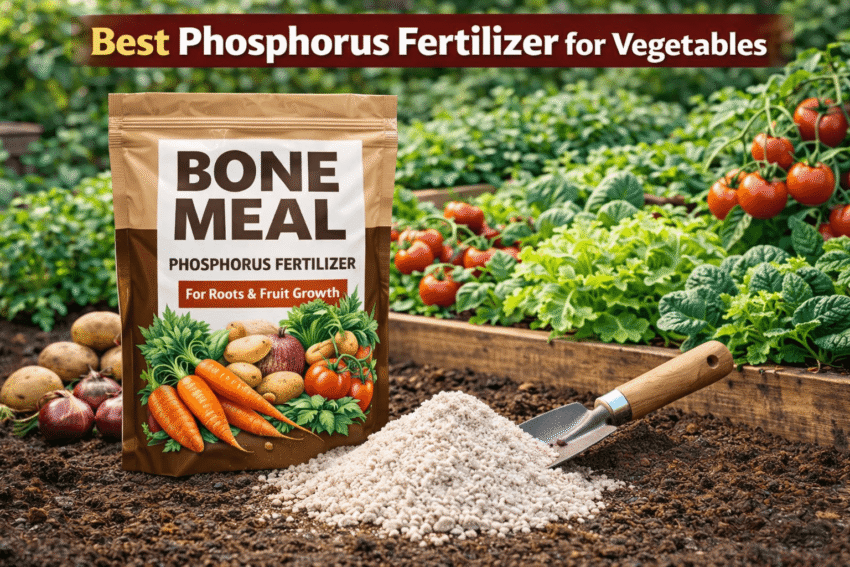
Growth and blooms depend heavily on phosphorus, the nutrient that triggers flower production in your plants. You need to understand how phosphorus deficiency stunts flowering and causes weak stems. Applying phosphorus-rich fertilizers during the blooming phase transforms your garden’s performance. Your plants will produce more vibrant, abundant flowers when you provide adequate phosphorus levels at the right time.
Key Takeaways
- Phosphorus plays a direct role in flower formation by supporting energy transfer through ATP molecules, which plants need to produce blooms and develop strong reproductive structures.
- Apply phosphorus-rich fertilizers when plants enter their budding stage for maximum impact, as this timing coincides with peak demand for bloom development and fruit set.
- Bone meal, rock phosphate, and fish emulsion serve as excellent organic phosphorus sources that release nutrients slowly while improving soil structure and microbial activity.
- Soil pH between 6.0 and 7.0 allows plants to absorb phosphorus most efficiently, so test your soil regularly and adjust accordingly to prevent nutrient lockout.
- Excess phosphorus can harm plants and pollute waterways through runoff, making it vital to follow recommended application rates and avoid over-fertilizing your garden beds.
Understanding the Biological Role of Phosphorus
Phosphorus serves as a fundamental nutrient that drives your plants’ reproductive success and flowering capacity. Your flowering plants require adequate phosphorus levels to produce energy-rich compounds and support cellular division during bloom formation. This macronutrient activates enzymatic processes vital for photosynthesis and respiration in flowering tissues. Recognizing phosphorus as a cornerstone of plant metabolism helps you optimize bloom production.
Energy Transfer and ATP Production in Blooms
Your plants convert phosphorus into adenosine triphosphate (ATP), the primary energy currency powering bloom development. This energy molecule fuels metabolic reactions required for petal formation, pigment synthesis, and nectar production. Without sufficient phosphorus, your flowers experience stunted growth and reduced bloom size. Recognizing ATP’s dependence on phosphorus availability ensures you maintain proper nutrient levels.
Factors Influencing Root Development and Bud Initiation
Strong root systems depend on adequate phosphorus to establish the foundation for abundant flowering. Your plants channel phosphorus toward meristematic tissues where bud formation begins, triggering reproductive growth phases. Soil pH, temperature, and microbial activity directly affect phosphorus availability to your plants. Recognizing these environmental factors allows you to adjust fertilization strategies effectively.
- Root architecture expands with proper phosphorus nutrition
- Bud initiation accelerates under optimal phosphorus conditions
- Soil temperature affects phosphorus uptake rates
- pH levels between 6.0-7.0 maximize phosphorus availability
Your success with bud development hinges on maintaining phosphorus-rich zones near active root tips where nutrient absorption occurs most efficiently. Cold soil temperatures below 55°F significantly reduce your plants’ ability to absorb phosphorus, delaying bud formation regardless of soil phosphorus content. Mycorrhizal fungi form symbiotic relationships with your plant roots, extending their reach and improving phosphorus acquisition by up to 60%. Compacted soils restrict root expansion and limit access to phosphorus reserves, creating deficiency symptoms even when soil tests indicate adequate levels. Recognizing that physical and biological soil conditions matter as much as nutrient concentration guides your amendment choices.
- Mycorrhizal associations enhance phosphorus uptake efficiency
- Root zone temperature must exceed 55°F for optimal absorption
- Soil compaction restricts root exploration and nutrient access
- Organic matter improves phosphorus availability over time
Identifying Signs of Phosphorus Deficiency
Recognizing Stunted Growth and Purplish Foliage
Your plants will display distinctive purple or reddish discoloration on older leaves when phosphorus levels drop too low. Stems may also develop unusual purple hues, while overall growth slows dramatically. Flowering becomes delayed or fails to occur, and leaf tips often turn dark and brittle before dying back.
Distinguishing Nutrient Needs from Environmental Stress
Cold temperatures can mimic phosphorus deficiency by preventing nutrient uptake, even when soil levels are adequate. You should check soil pH first, as readings below 6.0 or above 7.5 block phosphorus availability. Overwatering creates similar symptoms through root damage and oxygen deprivation.
Temperature plays a significant role in how your plants access phosphorus, with soil temperatures below 50°F severely limiting nutrient absorption regardless of fertilizer applications. You need to examine multiple factors before adding phosphorus supplements, including drainage patterns, recent weather conditions, and watering schedules. Root health determines nutrient uptake capacity, so compacted or waterlogged soil creates deficiency symptoms even in phosphorus-rich environments. Testing your soil provides concrete data rather than guesswork, helping you distinguish between true deficiency and environmental factors that restrict nutrient movement. Purple coloring from cold stress typically affects all foliage uniformly, while phosphorus deficiency starts with older, lower leaves and progresses upward as the plant redistributes its limited phosphorus reserves to new growth.
How to Choose the Right Phosphorus-Rich Fertilizers
Selecting the appropriate phosphorus fertilizer requires you to understand your plant’s specific flowering stage and soil conditions. You’ll need to test your soil pH first, as phosphorus absorption works best between 6.0-7.0 pH levels. Your choice should balance immediate flowering needs with long-term soil health considerations.
Deciphering N-P-K Ratios for Flowering Success
Bloom-boosting fertilizers typically display ratios like 5-10-5 or 10-30-10, where the middle number represents phosphorus content. You should look for higher middle values during flowering stages to maximize bud development. Ratios with doubled or tripled phosphorus compared to nitrogen deliver optimal results for most flowering plants.
Comparing Organic Bone Meal vs. Synthetic Superphosphates
| Bone Meal (Organic) | Superphosphate (Synthetic) |
| Slow-release over 3-4 months | Fast-acting within days |
| 3-15% phosphorus content | 16-20% phosphorus content |
| Improves soil structure | No soil conditioning benefits |
| Risk of attracting animals | No pest attraction |
| Works best in acidic soils | Effective across pH ranges |
Bone meal provides you with a sustainable option that enriches soil microbiome while releasing phosphorus gradually throughout the growing season. Synthetic superphosphates deliver immediate phosphorus availability, making them ideal when your plants show deficiency symptoms or need quick flowering stimulation. Your budget and gardening philosophy will guide this decision, though many gardeners combine both types for balanced nutrition.
How to Apply Phosphorus for Maximum Floral Yield
Strategic phosphorus application directly impacts your flowering success. You need to understand the optimal timing and methods to deliver this vital nutrient when your plants demand it most. The application technique you choose affects nutrient availability and uptake efficiency. Proper methods prevent waste while ensuring your plants receive adequate phosphorus during their critical bloom development stage.
Timing Applications During the Pre-Bloom Phase
Begin phosphorus applications 2-3 weeks before expected flowering to build nutrient reserves in plant tissues. Your plants require time to absorb and transport phosphorus to developing bud sites. Early application prevents deficiency symptoms during peak bloom when demand surges. Monitor your specific plant variety’s growth cycle to determine the precise pre-bloom window.
Step-by-Step Methods for Soil Incorporation and Top-Dressing
Two primary application methods deliver phosphorus effectively to your flowering plants. Soil incorporation works best during initial planting or bed preparation, while top-dressing suits established plants. Each method offers distinct advantages depending on your garden setup and plant maturity stage. Select the approach that matches your cultivation timeline.
| Soil Incorporation | Top-Dressing |
| Mix phosphorus fertilizer 4-6 inches deep into soil | Spread fertilizer in a ring 3-4 inches from plant stem |
| Apply at 2-3 tablespoons per square foot | Use 1-2 tablespoons per plant |
| Best during bed preparation or transplanting | Ideal for established plants during growth season |
| Water thoroughly after mixing to activate nutrients | Lightly scratch into top soil layer, then water |
| Provides long-term nutrient availability | Offers quick nutrient access to surface roots |
Your application depth affects how quickly plants access phosphorus nutrients. Deeper incorporation provides sustained release over several weeks, supporting extended bloom periods. Surface applications allow faster uptake but require more frequent reapplication. You should water immediately after any application method to dissolve granular fertilizers and move nutrients into the root zone. Avoid direct contact between concentrated fertilizer and plant stems to prevent chemical burn damage.
Environmental Factors Affecting Phosphorus Uptake
Your soil’s environmental conditions directly control how much phosphorus your plants can access. Temperature fluctuations, moisture levels, and pH variations create barriers that lock nutrients away from root systems. Soil compaction restricts root development and limits phosphorus absorption zones. Perceiving these environmental challenges helps you implement targeted corrections for maximum flowering potential.
Managing Soil pH to Prevent Nutrient Lockout
Phosphorus becomes chemically unavailable when your soil pH drops below 6.0 or rises above 7.5. Acidic conditions bind phosphorus to iron and aluminum, while alkaline soils create calcium-phosphate compounds your plants cannot absorb. Testing your soil pH quarterly allows you to adjust levels before nutrient lockout damages your flowering cycle. Perceiving pH as a dynamic factor requires consistent monitoring and correction.
The Impact of Soil Temperature on Mineral Solubility
Cold soil temperatures below 55°F dramatically reduce phosphorus availability by slowing microbial activity and chemical reactions. Root metabolism decreases in chilly conditions, limiting your plants’ ability to absorb available nutrients. Warm soil between 65-75°F optimizes phosphorus uptake and accelerates flowering development. Perceiving temperature as a controllable variable improves your bloom outcomes significantly.
| Soil Temperature Range | Phosphorus Availability |
| Below 50°F | Severely restricted uptake |
| 50-60°F | Limited availability |
| 65-75°F | Optimal absorption |
| Above 80°F | Reduced microbial activity |
Soil temperature affects the solubility of phosphate compounds and the metabolic rates of beneficial microorganisms that mineralize organic phosphorus. Your plants experience temperature-induced phosphorus deficiency even when soil tests show adequate levels because cold conditions prevent proper nutrient dissolution. Mulching maintains consistent soil warmth during cool periods, while proper irrigation prevents overheating during summer months. Root zone heating systems provide direct temperature control for greenhouse operations where flowering timing matters most. Microbes responsible for converting organic phosphorus into plant-available forms become dormant below 50°F, creating a biological bottleneck in your nutrient cycle.
| Temperature Effect | Management Strategy |
| Cold soil delays uptake | Apply dark mulch to absorb heat |
| Reduced microbial activity | Use liquid phosphorus formulations |
| Slow root metabolism | Install soil heating cables |
| Poor nutrient mobility | Increase watering frequency slightly |
Expert Tips for Enhancing Nutrient Absorption
Maximizing phosphorus uptake requires attention to several key factors that influence how efficiently your plants absorb this necessary nutrient. Soil pH plays a critical role, with optimal ranges between 6.0-7.0 for most flowering plants. Consider these strategies:
- Test soil pH regularly and adjust using sulfur or lime
- Apply phosphorus during active root development
- Water adequately to facilitate nutrient transport
- Maintain proper soil temperature above 60°F
Any deficiency in these areas will limit your plants’ ability to utilize available phosphorus effectively.
Utilizing Mycorrhizal Fungi for Improved Efficiency
Beneficial mycorrhizal fungi form symbiotic relationships with plant roots, extending their reach and dramatically improving phosphorus absorption. These microscopic partners access nutrients your plants cannot reach independently, increasing uptake efficiency by up to 700%. Inoculate soil at planting time for best results. Any established fungal network will continue benefiting your plants throughout the growing season.
Avoiding Over-Fertilization and Nutrient Antagonism
Excessive phosphorus application creates serious problems rather than benefits for your flowering plants. Over-fertilization leads to nutrient lockout, preventing absorption of iron, zinc, and manganese. Apply phosphorus according to soil test recommendations only. Any imbalance triggers antagonistic reactions that reduce overall plant health and flowering potential.
Understanding nutrient antagonism helps you avoid common fertilization mistakes that damage your plants. High phosphorus levels bind with other necessary minerals, making them unavailable even when present in adequate amounts. Your plants may show deficiency symptoms despite abundant nutrients in the soil. Zinc deficiency appears most frequently when phosphorus exceeds proper levels, causing stunted growth and reduced flower production. Iron chlorosis also develops commonly, displaying characteristic yellowing between leaf veins. Monitor your plants closely for these warning signs and reduce phosphorus applications immediately if symptoms appear.
Conclusion
As a reminder, you can dramatically improve your plant’s flowering performance by applying phosphorus-rich fertilizers during the bloom phase. You should monitor soil phosphorus levels regularly and adjust applications based on your specific plant species’ requirements. The key to success lies in timing your phosphorus applications correctly and avoiding overuse, which can harm beneficial soil microorganisms. Your flowering plants will reward proper phosphorus management with abundant, vibrant blooms.
FAQ
Q: What role does phosphorus play in flower production?
A: Phosphorus is a key nutrient that directly influences flower formation and bloom quality in plants. This element supports energy transfer within plant cells through ATP production, which flowers need in large amounts during their development phase. Plants use phosphorus to build strong root systems that can support heavy flowering, and it helps activate enzymes responsible for creating the compounds that form flower petals, colors, and fragrances. When phosphorus levels are adequate, plants typically produce more blooms, larger flowers, and more vibrant colors compared to phosphorus-deficient plants.
Q: When should I apply phosphorus fertilizer to maximize flowering?
A: The best time to apply phosphorus is before the flowering stage begins, typically 2-3 weeks prior to expected bloom time. Early application allows plants to absorb and store phosphorus in their tissues, making it readily available when flower buds start forming. For perennials, apply phosphorus in early spring as new growth emerges and again in mid-summer for fall bloomers. Annual flowering plants benefit from phosphorus mixed into soil at planting time, followed by supplemental applications every 3-4 weeks during the growing season. Avoid applying phosphorus during dormancy or in cold soil, as plant roots cannot effectively absorb nutrients under these conditions.
Q: What are the signs that my flowering plants need more phosphorus?
A: Plants lacking sufficient phosphorus display several distinct symptoms that gardeners can easily identify. Leaves may develop a dark green or purplish tint, particularly on older foliage and leaf undersides. Stunted growth is common, with plants appearing smaller than expected for their age. Flower production decreases noticeably, with fewer buds forming and existing blooms appearing smaller and less colorful than normal. Stems may become thin and weak, unable to properly support developing flowers. Root development slows down, making plants more susceptible to drought stress and nutrient deficiencies. Flowering time may also delay by several weeks compared to healthy plants.
Q: Can I add too much phosphorus to my garden soil?
A: Yes, excessive phosphorus application can harm plants and the environment in multiple ways. High phosphorus levels in soil can lock up other important nutrients like iron, zinc, and manganese, preventing plants from absorbing them even when present in adequate amounts. This creates nutrient imbalances that cause yellowing leaves and poor overall plant health despite regular fertilization. Over-application also leads to phosphorus runoff into waterways, causing algae blooms that damage aquatic ecosystems. Most soils only need phosphorus additions every 2-3 years, so testing your soil before applying phosphorus fertilizers prevents waste and potential problems. Follow package directions carefully and avoid applying more than recommended amounts.
Q: Which phosphorus fertilizer types work best for flowering plants?
A: Bone meal is an excellent organic option that releases phosphorus slowly over several months, making it ideal for long-season flowering plants. Rock phosphate provides a slower-release alternative that can last multiple growing seasons. Superphosphate fertilizers offer faster-acting phosphorus for plants needing immediate nutrient boosts before blooming. Fish emulsion and compost contain moderate phosphorus levels along with other beneficial nutrients that support overall plant health. Look for fertilizers with higher middle numbers in the N-P-K ratio (such as 5-10-5 or 10-20-10) specifically formulated for flowering plants. Liquid fertilizers provide quick results for container plants, while granular forms work better for in-ground gardens and larger planted areas.