
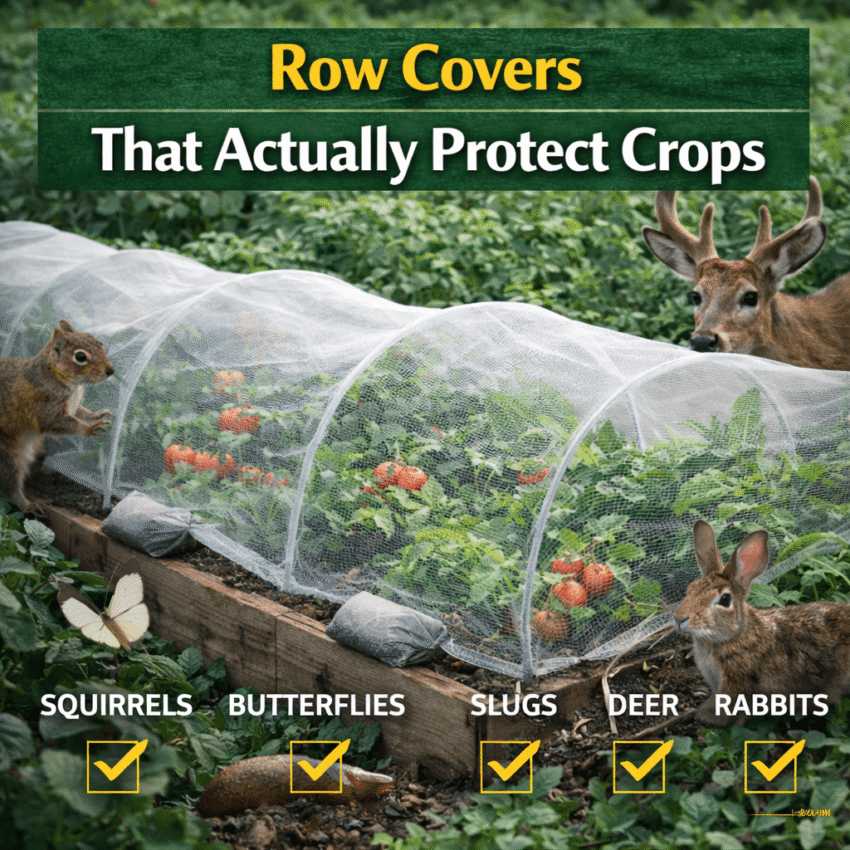
Just selecting the right row cover can mean the difference between a thriving harvest and devastating crop loss. You need to understand fabric weight, material type, and proper installation techniques to shield your plants from frost damage, pests, and harsh weather. This guide shows you exactly which row covers work best for your specific growing conditions and how to use them effectively for maximum crop protection and increased yields.
Key Takeaways
- Floating row covers made from spunbonded polypropylene or polyester fabric provide superior protection against frost, insects, and wind damage while allowing sunlight, air, and water to reach your plants. These lightweight materials can extend your growing season by 2-4 weeks in both spring and fall.
- Proper installation requires securing the edges with soil, sandbags, or ground staples while leaving enough slack in the fabric to accommodate plant growth. The covers work best when placed directly over crops or supported by hoops, and you should remove them when plants need pollination or when temperatures consistently exceed 85°F.
- Different weight options serve specific purposes: lightweight covers (0.5 oz) offer insect protection with minimal temperature increase, medium-weight (1.0-1.25 oz) provides 4-6°F frost protection, and heavy-weight (2.0 oz) delivers up to 8°F protection for winter crops. Select your row cover weight based on your primary need-pest control, frost protection, or season extension.
Essential Factors for Fabric Selection
Choosing the right row cover fabric determines your crop protection success throughout the growing season. You need to consider material weight, light transmission rates, and temperature protection levels when selecting covers for your specific climate and crops. Your fabric choice directly impacts plant growth, pest control, and frost resistance. This decision affects both your harvest quality and overall investment return.
- Material weight and GSM ratings
- Light transmission percentages
- Temperature protection capabilities
- Durability and reusability factors
- UV resistance for extended use
Understanding Material Weight and GSM
Fabric weight, measured in grams per square meter (GSM), ranges from lightweight 0.5 oz covers to heavy 2.0 oz options. Lightweight fabrics between 15-20 GSM allow maximum light penetration while providing basic insect protection. Heavier materials at 50-70 GSM offer superior frost protection but reduce light transmission. This weight specification guides your purchase based on protection needs.
Matching Fabric Density to Frost Tolerance
Different fabric densities provide varying degrees of frost protection, from 2°F to 8°F temperature buffers. Lightweight covers protect against light frosts down to 28°F, while heavyweight options safeguard crops in temperatures dropping to 24°F or lower. This density-to-temperature relationship determines your crop survival during cold snaps.
Your regional climate patterns should dictate which fabric density you invest in for optimal crop protection. Gardens in zones experiencing occasional light frosts perform well with medium-weight fabrics (0.9-1.25 oz) that balance protection and light transmission. Cold-climate growers facing regular hard frosts require heavyweight covers (1.5-2.0 oz) despite reduced light levels, as survival takes priority over maximum growth rates. You can layer multiple lightweight covers to achieve similar protection while maintaining flexibility, though this approach increases labor and initial costs. Season extension becomes possible when you match fabric density to your lowest expected temperatures, allowing you to harvest crops weeks beyond normal frost dates. Your specific crops also influence this choice, as cold-hardy vegetables like kale tolerate lighter protection than tender plants such as tomatoes or peppers.
How to Secure Row Covers Against the Elements
Your row covers need proper securing systems to withstand wind gusts up to 40 mph and prevent crop damage. Without adequate anchoring, even the highest-quality fabric will lift, tear, or expose your plants to harsh conditions. Proper installation techniques make the difference between successful protection and wasted investment.
Utilizing Hoops and Support Systems
Hoops create a protective tunnel that prevents fabric from touching plant foliage while maintaining airflow. You should space hoops every 4-6 feet along your rows, using either metal wire, PVC pipe, or flexible plastic tubing. This framework keeps covers elevated during rain and prevents weight accumulation that could crush delicate seedlings.
Effective Anchoring and Weighting Methods
Sandbags, landscape staples, and buried edges provide three reliable anchoring options for different garden conditions. You’ll need to secure all perimeter points with at least one pound of weight per linear foot. Wind damage occurs most frequently at corners where fabric catches air pockets.
Buried edges offer the most permanent solution by digging a 4-inch trench along row sides and covering fabric edges with soil. You can combine this method with sandbags placed every 3-4 feet for extra security in exposed locations. Landscape staples work best in softer soil, requiring installation at 2-foot intervals to prevent lift. Your choice depends on soil type, typical weather patterns, and whether you need frequent access for harvesting or maintenance tasks.
Critical Factors for Temperature Regulation
Proper temperature management determines whether your row covers protect or damage crops. You must balance heat retention during cold nights with adequate ventilation during warm days to prevent overheating. Your fabric choice directly impacts thermal performance, with lightweight covers raising temperatures 2-4°F and heavyweight options adding 4-8°F. Monitoring daily temperature fluctuations helps you adjust coverage timing and prevent stress. Perceiving these thermal dynamics allows you to maximize crop protection while avoiding heat damage.
- Fabric weight selection based on climate conditions
- Daily temperature monitoring under covers
- Venting schedules aligned with weather patterns
- Heat accumulation tracking during sunny periods
| Cover Type | Temperature Increase |
| Lightweight (0.5-0.9 oz) | 2-4°F |
| Medium weight (1.0-1.5 oz) | 4-6°F |
| Heavyweight (2.0+ oz) | 6-8°F |
Monitoring Heat Accumulation Under Fabric
Temperature sensors placed at crop canopy level provide accurate readings of actual plant exposure. You should check readings at mid-morning and early afternoon when heat buildup peaks under covers. Digital thermometers with min/max functions reveal overnight lows and daytime highs. Excessive heat accumulation above 85°F triggers plant stress and reduces yields. Perceiving these patterns enables timely intervention before damage occurs.
Strategies for Strategic Venting
Venting prevents dangerous heat buildup while maintaining protective benefits during variable weather. You can roll back covers partially, lift edges, or remove sections entirely based on forecast temperatures. Automatic vent systems respond to temperature triggers without constant monitoring. Perceiving optimal venting timing protects crops from both cold damage and heat stress.
Your venting approach should adapt to seasonal temperature swings and crop development stages. Early spring requires conservative venting since young seedlings tolerate less temperature variation than established plants. You’ll achieve best results by opening covers gradually starting at 70°F and removing them completely above 80°F. Side venting works well for gentle air circulation without exposing crops to direct wind or frost. Complete removal during extended warm periods prevents etiolation and weak growth. Weather forecasting integration helps you anticipate temperature changes and adjust coverage proactively rather than reactively.
How to Integrate Pollination and Irrigation
Balancing row cover protection with pollination requirements and water management demands careful planning throughout your growing season. You’ll need to coordinate cover removal with flowering schedules while ensuring your irrigation system works effectively beneath or around the fabric. Proper timing prevents crop failure from inadequate pollination or moisture stress.
Timing Cover Removal for Bee Access
Remove covers as soon as flowers begin opening on crops requiring insect pollination like squash, cucumbers, and melons. You can replace lightweight covers during evening hours if pest pressure remains high, but daytime bee access is non-negotiable for fruit set. Monitor bloom progression daily to avoid missing the critical pollination window.
Managing Water Penetration and Drainage
Lightweight row covers allow 60-80% water penetration during rainfall or overhead irrigation, while heavier fabrics may require drip systems underneath. Test your specific material by observing soil moisture after watering events to determine if supplemental irrigation is necessary beneath the cover.
Drip irrigation installed before laying row covers provides consistent moisture delivery without disturbing the fabric or creating pooling issues. You should position emitters close to plant stems and secure covers loosely enough that water doesn’t collect in fabric depressions. Poor drainage under covers creates fungal disease conditions that negate pest protection benefits, so slope your beds slightly and avoid compacting soil when anchoring cover edges. Check soil moisture regularly by lifting cover sections, as the fabric can mask drought stress symptoms until plants show severe wilting.
Expert Tips for Pest Exclusion
Successful pest exclusion requires strategic placement and proper installation of your row covers. You need to:
- Select appropriate mesh density for target pests
- Secure edges with soil, sandbags, or ground staples
- Inspect covers regularly for tears or gaps
- Remove covers during pollination periods
Any compromise in your installation technique will allow insects to infiltrate and damage crops.
Identifying Optimal Mesh Sizes for Insects
Different pests require specific mesh sizes for effective exclusion. Insect mesh (0.6mm) blocks aphids, whiteflies, and thrips, while fine mesh (0.8mm) stops larger beetles and caterpillars. Standard mesh (1.3mm) works for birds and large insects but allows smaller pests through. Any selection outside these parameters reduces your protection effectiveness.
Preventing Entry at the Soil Line
Ground-level sealing determines your pest exclusion success rate. Bury fabric edges 4-6 inches deep in trenches around bed perimeters, or use heavy sandbags every two feet along borders. Gaps at the soil line create entry points for crawling insects. Any unsealed section compromises your entire protection system.
Your installation method at ground level makes the difference between complete protection and pest infiltration. Create a continuous barrier by overlapping fabric sections by at least 12 inches where pieces meet. Wind can lift poorly secured edges, so weight them with boards, rocks, or specialized row cover clips spaced closely together. Check the perimeter after rain or strong winds, as soil settling creates new gaps. Raised beds require extra attention-drape fabric over bed sides and secure it below the bed frame level. Persistent pests like flea beetles will find even quarter-inch openings, so your vigilance in maintaining tight seals pays off with healthier crops throughout the growing season.
Maintenance Tips for Multi-Season Use
Extending the lifespan of your row covers requires consistent maintenance and proper care throughout multiple growing seasons. You’ll need to inspect covers regularly for tears, holes, or weakened areas that compromise protection. Key maintenance tasks include:
- Weekly inspections during active use
- Immediate repairs to small tears
- Proper cleaning between crop rotations
- Correct storage during off-seasons
Any neglected damage will worsen quickly and reduce your covers’ effectiveness.
Cleaning and Sanitizing Between Crops
Your row covers accumulate dirt, plant debris, and potential pathogens that can transfer diseases to subsequent plantings. Wash covers with mild soap and water, then sanitize using a 10% bleach solution to eliminate fungal spores and bacteria. Air-dry completely before storage to prevent mold growth. Any moisture trapped in folded covers creates breeding grounds for harmful organisms.
Proper Storage to Prevent UV Damage
Storing your row covers away from direct sunlight prevents premature degradation of the fabric material. UV exposure during storage breaks down synthetic fibers even when covers aren’t in use. Keep them in a dark, dry location like a shed or garage. Any prolonged sun exposure reduces fabric strength significantly.
UV radiation acts as your row covers’ primary enemy during off-season storage periods. The molecular bonds in polypropylene and polyester fabrics break down when exposed to ultraviolet light, causing the material to become brittle and tear-prone. You should fold covers loosely rather than creating tight creases, as stressed areas deteriorate faster under UV exposure. Opaque storage containers or dark-colored bags provide excellent protection against light penetration. Temperature fluctuations in storage areas matter less than light exposure, though extreme heat combined with UV rays accelerates fabric breakdown. Covers stored properly in dark conditions can last 5-7 seasons, while those left in sunny areas may fail after just 2-3 years of total use.
To Wrap Up
Summing up, you now have the knowledge to select and use row covers that genuinely protect your crops from pests, frost, and harsh weather. You can extend your growing season, reduce pesticide use, and improve yields by choosing the right weight and material for your specific needs. Proper installation and maintenance will ensure your row covers perform effectively throughout the season, giving you healthier plants and better harvests.
FAQ
Q: What types of row covers provide the best protection for different seasons?
A: Lightweight floating row covers work best during spring and fall, offering protection from light frosts down to 28°F while allowing 70-90% light transmission. Medium-weight fabrics protect crops in colder conditions, handling temperatures as low as 24°F and blocking about 30-50% of sunlight. Heavy-weight row covers are designed for winter use, protecting plants down to 20°F or lower, though they reduce light penetration significantly. Insect mesh covers serve warm-season needs by keeping pests out while maintaining excellent airflow and nearly full sun exposure. The material thickness you choose depends on your climate, the crops you’re growing, and whether your primary concern is temperature protection or pest exclusion.
Q: How do I properly install and secure row covers to maximize crop protection?
A: Start by placing hoops or supports over your crop rows to prevent the fabric from directly touching plant leaves, which can cause damage during wind or frost events. Space the hoops 3-5 feet apart along the row length, using wire, PVC, or metal conduit bent into arches. Drape the row cover material over these supports, allowing several inches of extra fabric on all sides to rest on the ground. Secure the edges with sandbags, boards, landscape staples, or soil to prevent wind from lifting the cover and to keep crawling insects from entering underneath. Check the covers regularly to ensure they remain anchored and adjust them as plants grow taller, loosening the fabric to accommodate increased height without restricting growth.
Q: Can row covers stay on plants throughout the entire growing season?
A: The answer depends on the type of crops you’re growing and your specific protection goals. Self-pollinating crops like lettuce, spinach, carrots, and brassicas can remain covered for their entire growth cycle since they don’t require insect pollination. Crops that need pollinator access, such as squash, cucumbers, melons, and tomatoes, require cover removal once flowering begins to allow bees and other beneficial insects to pollinate the blossoms. You can use row covers on these pollinator-dependent plants during early growth stages for frost protection and pest exclusion, then remove them when flowers appear. Some gardeners use a rotation method, removing covers during peak pollinator hours and replacing them in the evening to continue pest protection while still allowing adequate pollination.